
Furnace Installation in Keene, NH
A new furnace here will run from September through May every year. Tell us about the house, and a licensed contractor who covers Cheshire County will get in touch.
Tell us about the job
It takes about a minute.
Nine months of heat, and winters that test the system
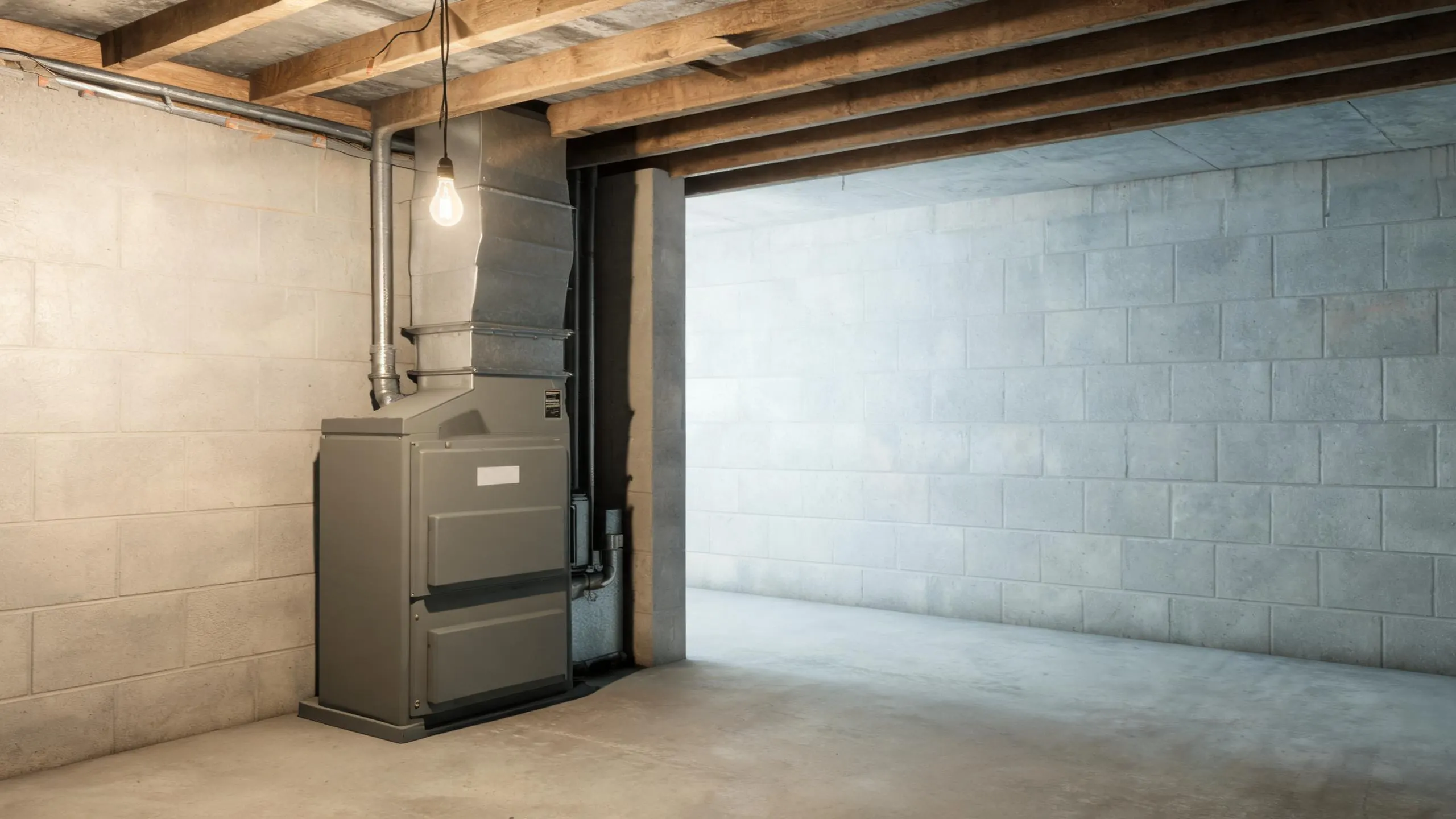
In Keene, a furnace runs from September through May. Winter nights average 15°F, and most homes here still heat with fuel oil. Whatever you install has to carry that load for most of the year, not just get through a few cold snaps.
Cheshire County has seen 34 winter storms and 164 damaging wind events over the past ten years, and across New Hampshire almost a quarter of households lost power for a full day or more in 2024. A new furnace should hold up through that kind of winter. If it's a non-weatherized gas furnace built after November 2015, federal rules already set the floor at 80 percent AFUE.
- 9 months
- September through May, your furnace is on duty
- 15°F
- the average winter night it heats against
- 80% AFUE
- the federal minimum any new unit must meet
NOAA nClimDiv, 1991–2020 normals
New Hampshire has no state license for HVAC contractors.
There is no state board behind this job and no state record of who does it. New Hampshire does not test HVAC contractors or keep a list of them, so nothing here rules anyone in or out before you hire them.
What stands in for that, in most cities and counties, is the permit process. Replacing a furnace typically calls for a permit from the local building office, and the finished work gets an inspection before it is signed off. That is where the job gets checked here, not through a license.
Source: New Hampshire General Court
- What size furnace does my house need?
- The right size depends on your square footage, your insulation, your windows, and your home's layout, so a contractor needs to run a load calculation to get a real answer. Guessing based on your old furnace's size is not reliable, especially since a furnace that's too large will cycle on and off too fast and wear out early, while one too small will run constantly and still leave rooms cold. With winter lows here averaging 15°F, an undersized furnace shows itself fast. A licensed contractor can measure your home and tell you the right output for it.
- How do I know it's time to replace my furnace?
- Age is the first sign. A furnace running past 15 years is more likely to break down when you need it most. Rising repair bills, uneven heat between rooms, and a furnace that runs longer to keep up are also signs it's wearing out. Since homes here need heat from September through May, a furnace that fails mid-winter is a serious problem, so it's worth having one inspected before the cold sets in if it's showing any of these signs.
- Is a high-efficiency furnace worth it?
- It depends on how many months a year your furnace runs and what you're heating with now. Homes here need heat 9 months of the year, which means a furnace here runs far more than one in a milder climate, so efficiency gains add up over more hours. Furnaces made since November 2015 already have to hit at least 80 percent AFUE, and high-efficiency models go higher than that. A lot of homes here heat with fuel oil, and switching to a high-efficiency gas furnace is a bigger decision than swapping one furnace for another, so it's worth having a contractor lay out what that change would mean for your specific house.