

The vent cap doing its job
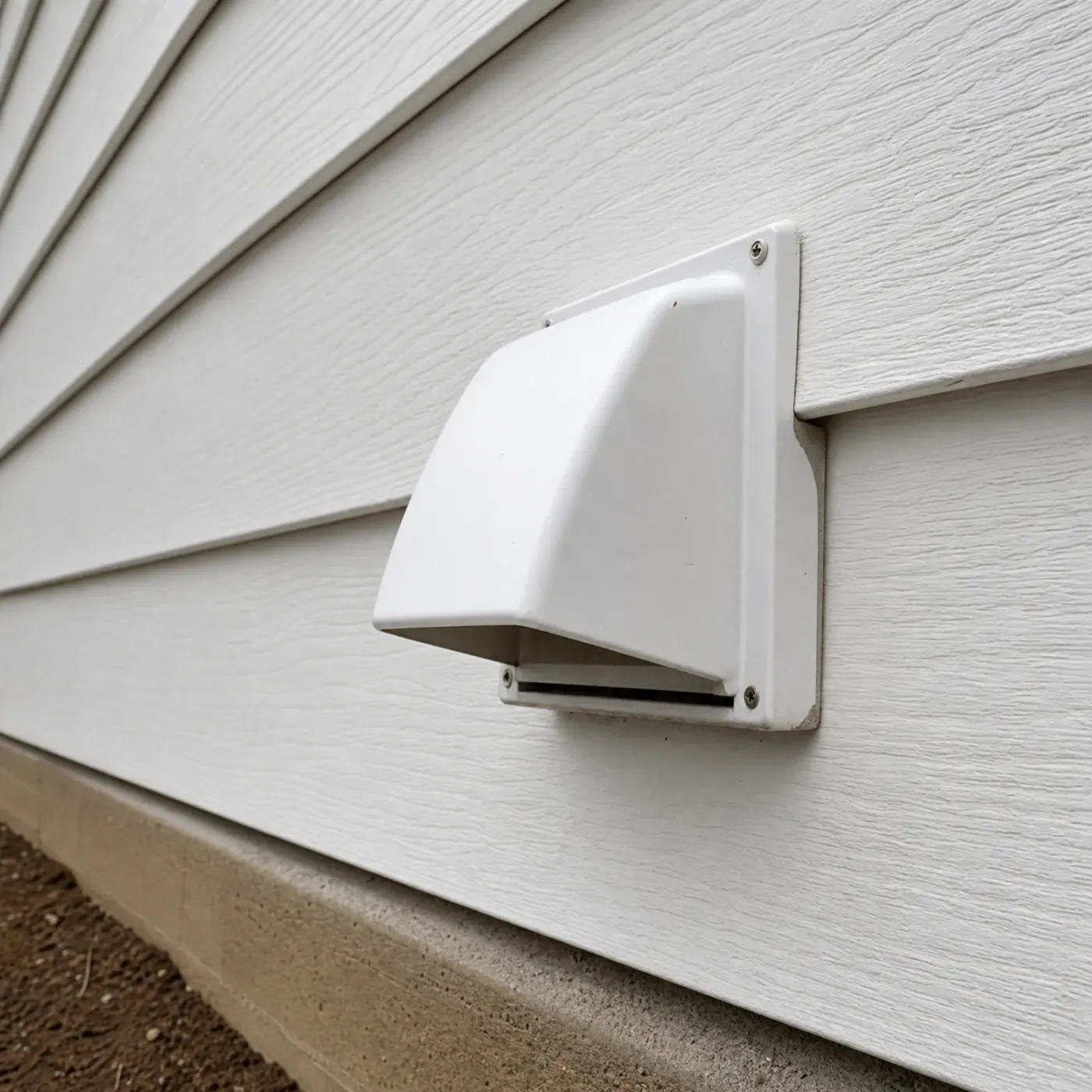
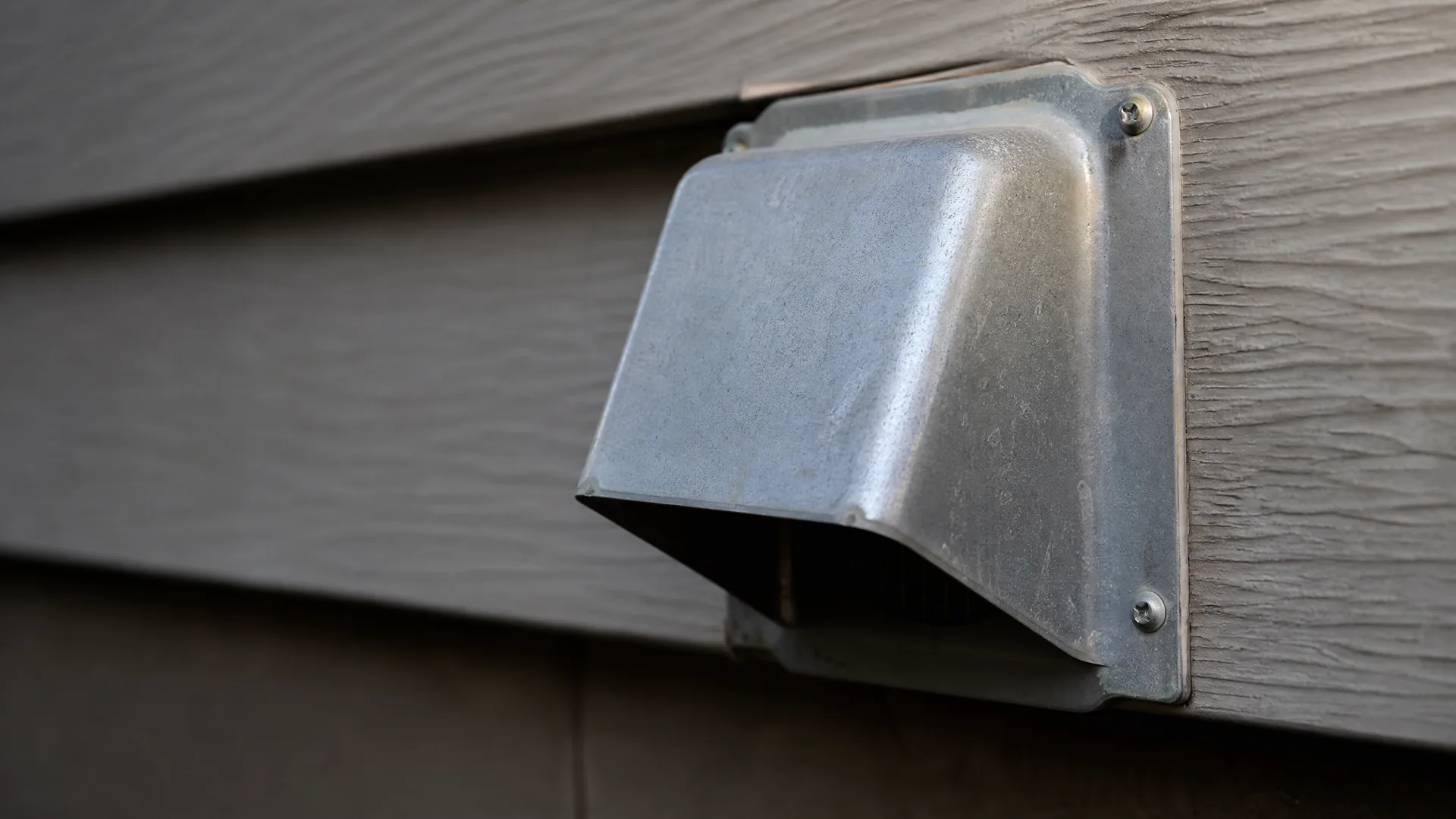
This is what a clear vent looks like from outside. The metal hood sits flush against the siding, and the flap swings open on its hinge whenever the dryer runs, letting hot, damp air escape fast.
A local pro who cleans dryer vents gets in touch with you.
Connect with a proYou have to run the dryer twice to get a load dry, or it comes out hot but still damp. Before you assume the machine is on its way out, it helps to know that a dryer that runs longer than it used to is usually telling you something about the vent, not the motor or the heating element.
When lint builds up inside the vent line, the hot damp air from each load has nowhere to go. The dryer keeps heating, but the moisture stays trapped instead of venting outside, so clothes come out warm and still wet. Every load adds a little more lint to the line, so the problem gets worse over time rather than showing up all at once. In Hillsborough County, where winters are hard and dryers often run loaded with heavy clothes and towels for months at a time, a blocked vent also makes the dryer work harder to push air through, which raises what it draws from a power grid that already charges among the highest rates in the country.




2.48 people per household on average
With 2.48 people in the average Hillsborough County household, that dryer is running loads most days of the week, and lint keeps piling up in the vent between cleanings.
Half the homes here were built by 1978
Half the homes here were built in 1978 or earlier, which often means longer or less direct vent runs to the outside wall, giving lint more places to catch.
Power here costs 24.85 cents per kilowatt-hour
At 24.85 cents per kilowatt-hour, a vent clogged enough to force a second cycle costs you real money every time you dry a load.
ACS 2020-2024 · EIA-861 2025
A dryer doesn't dry with heat alone. It dries by pushing hot, wet air out of the drum, through a hose, and out a hood on the outside wall. That whole path has to stay clear for the air to move fast enough to carry the moisture away. Lint doesn't just collect in the trap. It rides the airflow and settles anywhere the duct narrows, bends, or sags, building up slowly until the path is partly blocked. Once that happens, the drum can't vent itself the way it's built to, so heat and moisture sit in the drum instead of leaving with the air. That's why a load can come out hot but still damp. It finished heating, it just never finished drying. Go outside while the dryer runs and check the hood. The flap should swing open as air pushes through and close again once the cycle ends. If it barely moves, or doesn't open at all, the duct behind it is restricted somewhere along the run. The material matters too. Rigid metal duct keeps its shape and moves air in a straight, fast path. Coiled plastic or foil duct sags over time, and lint settles in the low spots and at every ribbed joint. Long runs and sharp turns between the dryer and the wall slow things down further, giving lint more places to catch before it ever reaches the hood.


Explain the job once and skip repeating it on every call.
Your request goes to a Hillsborough County pro who takes dryer vent jobs.
It costs nothing to send, and you don't have to hire anyone.

A dryer vent run that moves air the way it should pushes hot air out fast enough that a full load of towels dries in one cycle. The exhaust hood flap on the outside wall swings open wide while the dryer runs and drops shut the second it stops. If you stand outside during a cycle and feel only a weak puff of air, or the flap barely lifts, lint is sitting somewhere between the hose and the hood.

Lint doesn't collect evenly. It gathers at every bend in the hose and at the hood itself, where the flap and any screen behind it catch what the airflow carries. As those spots narrow, the dryer has to push harder to move the same air, so the motor and heating element run longer each cycle. Left alone through enough loads, the buildup can block the vent almost completely, and that heat has nowhere to go but back into the drum.
Touch the clothes at the end of the cycle. If they come out hot but still damp, that's not your dryer failing, it's air that isn't moving. Check the top of the machine and behind it too. If it's warmer than the room, or the whole laundry area feels muggy after a load, heat is backing up instead of venting outside. Go outside and look at the exhaust hood while the dryer runs. If the flap barely moves or stays shut, air isn't getting through. Left alone, that trapped heat and moisture is the setup for a dryer fire, and it's also pushing your power bill up every time you run a load twice to get it dry.
Lint builds up inside the flexible hose behind the dryer first.
The narrowed hose slows the hot, wet air leaving the drum.
Trapped moisture keeps the drum hotter and wetter than normal.
More lint collects further down the vent run over time.



This is what a clear vent looks like from outside. The metal hood sits flush against the siding, and the flap swings open on its hinge whenever the dryer runs, letting hot, damp air escape fast.

Here the flap can't close because gray lint has packed in around it. Air is forced through a shrinking gap, so the drum stays hot and wet and a load that used to take one cycle now takes two.
At 2.48 people, your household is still doing laundry most days, and every load pushes more lint into that vent. With that much regular use, the run between the dryer and the outside wall is worth checking before it slows down a full cycle.
ACS 2020-2024

A dryer that needs two cycles to finish a load, or runs hot but leaves clothes damp, has a vent that isn't moving air the way it should. That's the whole answer. It isn't the drum, the belt, or the heating element wearing out. It's lint sitting somewhere between the back of the machine and the outside wall, and it can be found and cleared.
You don't have to figure out where the clog is or how bad it's gotten before you do anything about it. A contractor who services dryer vents in Hillsborough County can look at your setup, tell you what's blocking it, and clear the run without you climbing a ladder to check the exhaust hood yourself or guessing which part of the hose to cut open. Getting matched with one means you skip the calls to three different companies and the repeat explanations of what the dryer's been doing. You'll hear from someone who already knows what you told the page.

Find a dryer vent cleaning pro in Hillsborough County