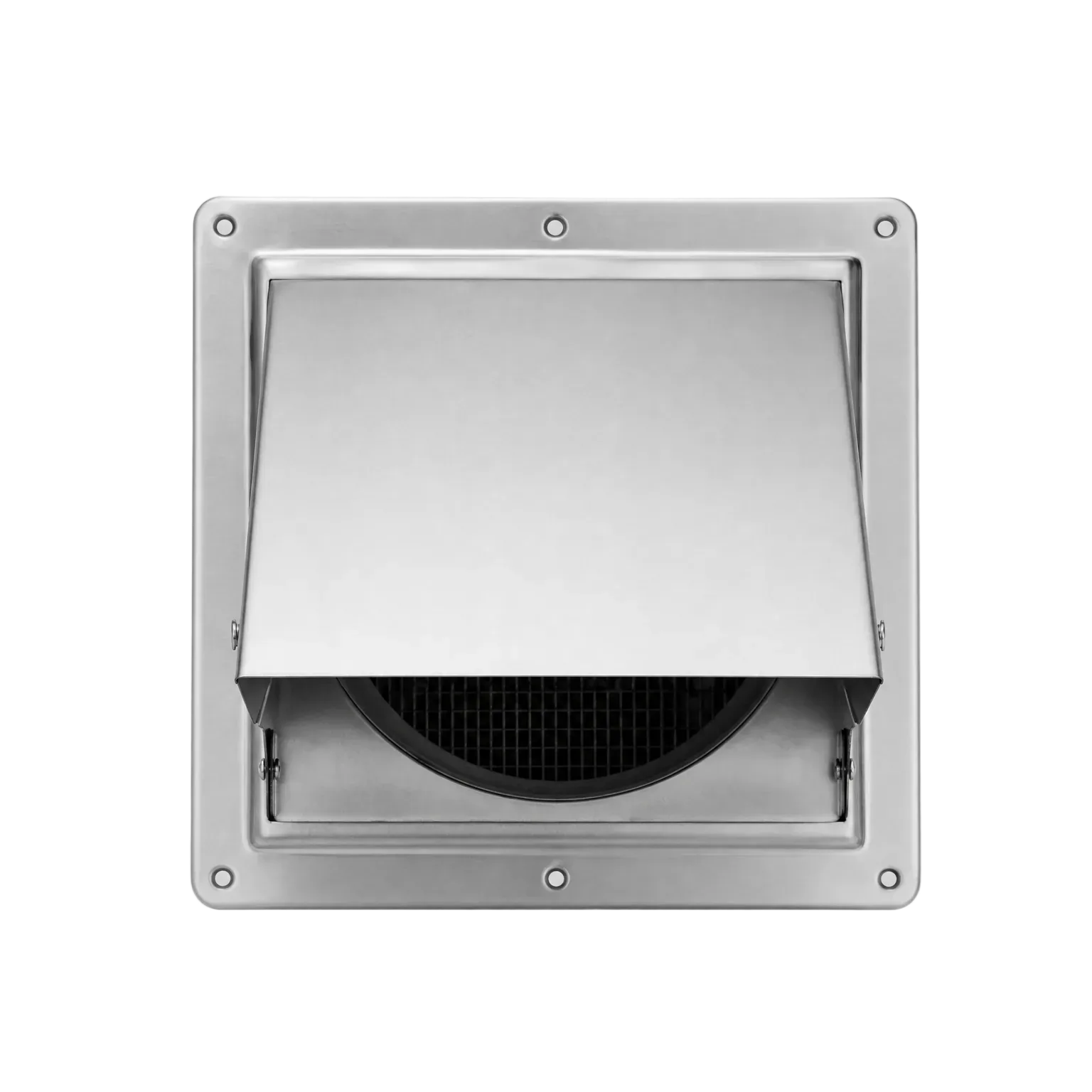

Vent clear
Air pushes straight out through the louvers with enough force to swing them open. A load dries in one cycle, and the hood outside stays mostly clean since lint rides out with the airflow instead of building up on the cover.
Your dryer has been taking longer and longer to get clothes dry, or the top of the machine feels hot to the touch partway through a cycle. Maybe you've noticed a burning smell, or the laundry room feels warmer and more humid than it used to. These are the kinds of things that make a homeowner wonder if the vent is blocked, especially with a New Hampshire winter coming and the dryer about to see more use drying heavy clothes.
A clogged vent stops hot, damp air from escaping the house, so the dryer keeps running past the point it should have finished. Clothes come out still damp, the top panel gets hot enough to notice, and lint collects near the vent hood outside instead of blowing clear. You may also notice the vent hood flap barely moves, or doesn't move at all, when the dryer is running. In Manchester winters, a clogged vent gets worse fast. Cold air outside makes the moist air in a blocked vent condense, and that moisture backs up into the duct and the dryer itself, which is how lint clogs turn into a fire risk during the months the dryer runs hardest.
Air pushes straight out through the louvers with enough force to swing them open. A load dries in one cycle, and the hood outside stays mostly clean since lint rides out with the airflow instead of building up on the cover.

Lint has packed in around the opening until the louvers barely move. Air that should carry moisture outside is backing up into the duct, which is why the room runs hot and clothes come out of the dryer still damp.
2.48 people per household on average
A household here runs 2.48 people on average, and that means more loads through the same vent every week, so lint builds up faster than a single-person household would see.
Half the homes here were built by 1978
Half the homes in Hillsborough County went up in 1978 or earlier. A duct run that old was likely built before today's shorter, straighter venting became standard practice.
Power here costs 24.85 cents per kilowatt-hour
Electricity here runs 24.85 cents per kilowatt-hour. A dryer forcing air through a clogged vent pulls more power to finish the same load, and you pay that difference.
ACS 2020-2024 · EIA-861 2025

Outside, the hood sits clean with the grille open and unobstructed. Air pushes out hard enough on each cycle to carry lint past the flap and away from the house, so it never has a chance to collect on the cover itself.

Lint has packed into the hood until the opening is nearly sealed, and it looks like something has nested in there too. With the exhaust path that blocked, the dryer is pushing heat and moist air back into the vent instead of outside.




A dryer that's running hot and slow is already telling you the vent is choked somewhere between the drum and the outside wall. Keep running it that way through a Manchester winter and the lint packed in there dries out even more and sits closer to a heating element for hours a week. That's not a problem worth guessing at, because the blockage could be right at the hood or buried twenty feet back in the duct, and you can't see either from where you're standing. A local contractor who clears these vents all season knows which one is more common in Hillsborough County homes and brings the right length of rod and brush for it on the first visit instead of a second trip. One contractor gets your request, not a handful, so you're dealing with someone who already knows what they're walking into before they knock. Given what a clogged vent does to your dryer and your house the longer it sits, this is worth handing off now rather than waiting for the smell to come back.
Put together, these signs point to one thing: air isn't moving through that vent the way it should. A dryer that needs a second cycle to finish a load isn't broken, it's starved for airflow, and the heat has nowhere to go but back into the machine and the room around it. That's why the top panel runs hot, why you might catch a burning smell, and why the laundry room warms up faster than it used to. Step outside while the dryer runs and check the hood. On a clear vent, the flap swings open and stays open, pushed by the air coming through. On a blocked one, it barely lifts, or it doesn't move at all, because the lint packed in the duct is cutting off the exhaust before it ever reaches the wall. Look at the louvers themselves. Lint sitting across them, or a flap that won't drop shut once the cycle ends, is a clog you can confirm just by looking, no tools needed. None of this clears on its own. A vent that's already restricted doesn't loosen up with more drying cycles, it packs in tighter, and a Manchester winter gives it a head start since the lint that's already dry and sitting in a cold duct has nowhere to shed moisture and nowhere to go. If more than one of these signs sounds familiar, the vent is telling you something, and it's worth having someone look at what's actually built up in there.


A local pro for your dryer vent cleaning
Your dryer vent cleaning request goes to one local pro.
