
Dryer Vent Cleaning in Berlin, NH
Tell us about your home, and a licensed contractor who covers Coos County will get in touch.
Tell us about the job
It takes about a minute.
Step 1 of 3: Equipment

Cold vent runs turn lint into a wet mat
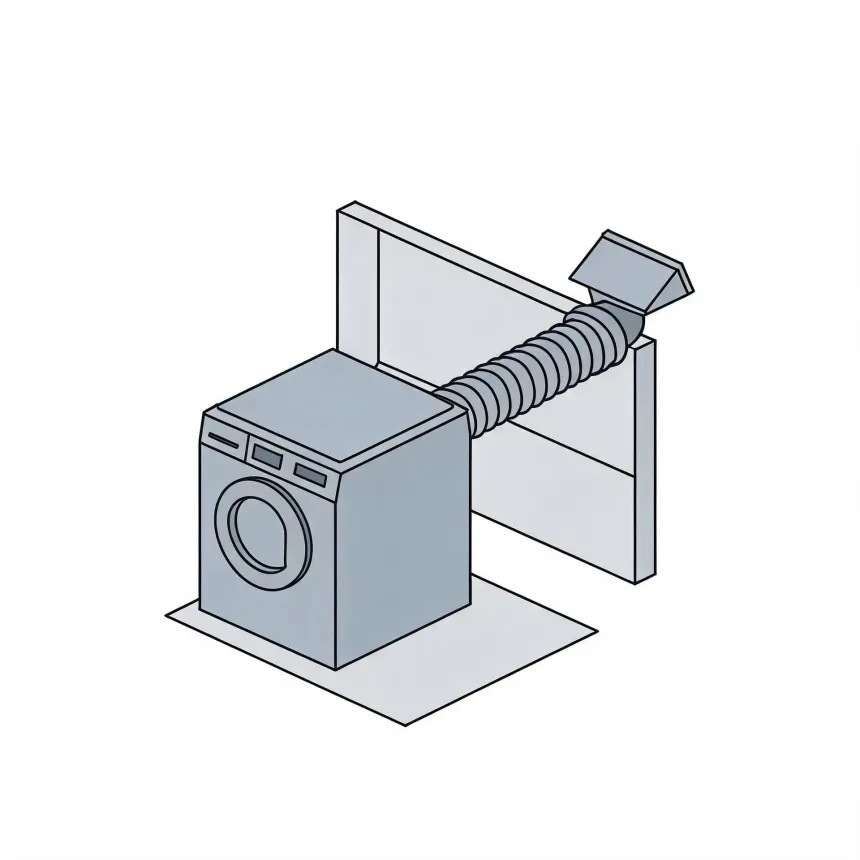
Your dryer pushes out warm, damp air, and in Berlin that air is hitting a vent run surrounded by cold most of the year. Winter nights average 8°F from December through February, so the vent walls stay cold too. The warm air cools fast inside that metal, and lint that would blow through a warmer vent sticks to the damp sides instead.
That buildup narrows the vent a little more each month. Less air moves out, so the dryer runs longer to dry the same load, and the exhaust that does escape carries more moisture back toward the duct and the wall it passes through.
- 8°F
- the average winter night, and cold vents catch damp lint
- 10 months
- September through June, the vent stays cold
Jan
Feb
Mar
Apr
May
Jun
Jul
Aug
Sep
Oct
Nov
Dec
NOAA nClimDiv, 1991–2020 normals
- How often should a dryer vent be cleaned?
- Once a year is the usual rule, more often if you dry a lot of loads or notice drying taking longer. Lint builds up along the vent run even when you clean the lint screen every time. Once a year keeps that buildup from turning into a real blockage.
- Can I clean my dryer vent myself?
- You can clean the part you can reach, but most of the vent run is inside the wall and out to the outside hood, and that part takes a brush and rod system built for it. If your vent has more than one bend or runs a long distance to the outside wall, lint catches at every turn and a shop vac from either end will not reach it. A contractor has the rod length and the brush to clear the whole run, not just the ends.
- What are the signs of a clogged dryer vent?
- Clothes that take two cycles to dry, a dryer that feels hot to the touch on top, and a musty smell when it runs are the main ones. Check the outside vent hood while the dryer runs. If the flap barely moves or you feel weak airflow there, lint is blocking the path somewhere between the dryer and that hood.