
HVAC Installation in Berlin, NH
Tell us about the house, and a licensed contractor who covers Coos County will get in touch.
Tell us about the job
It takes about a minute.
Ten months of heat and nights near zero
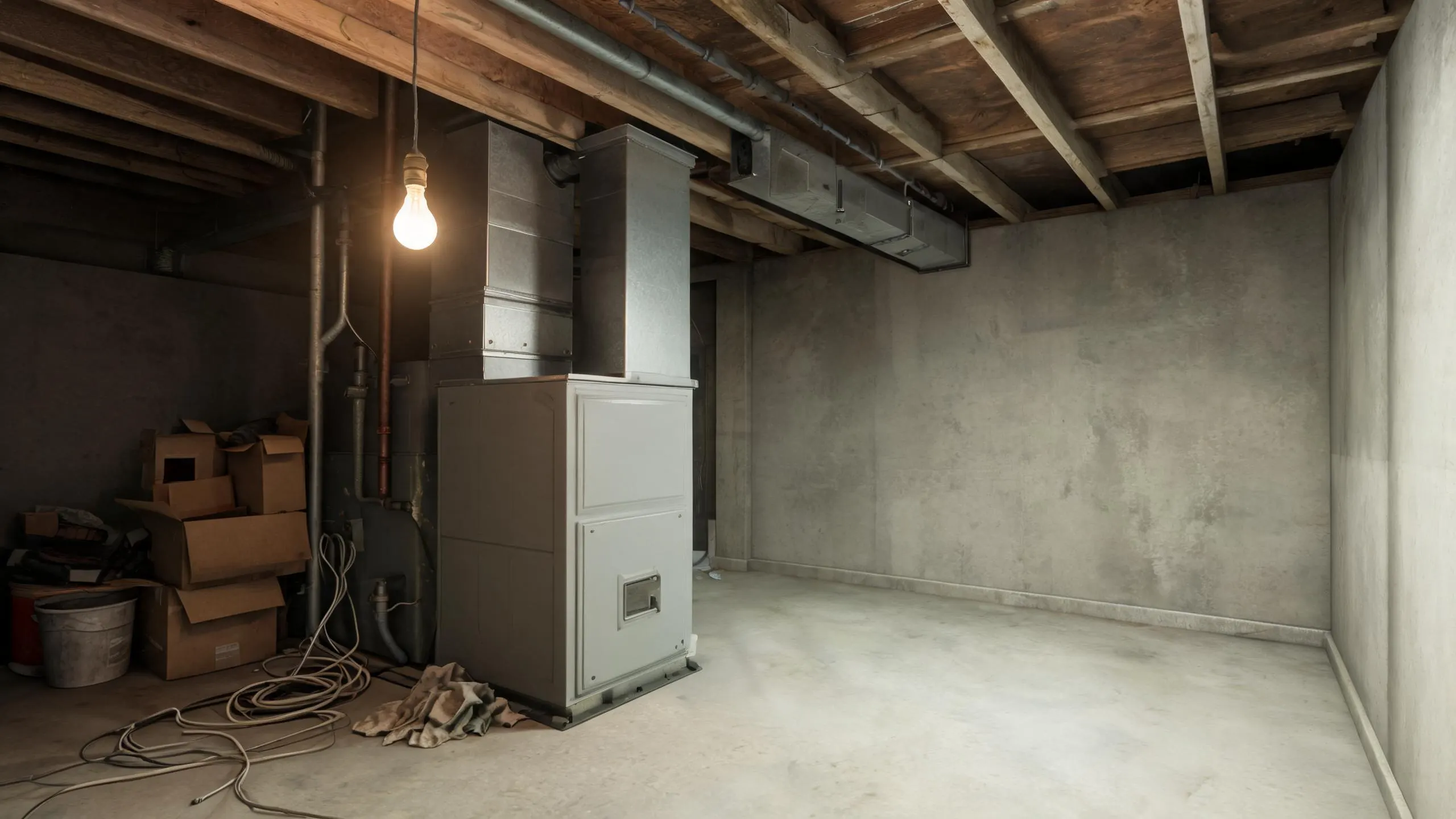
Winter nights in Berlin average 8°F from December through February, and homes here need heat from September through June. That is ten months a year the heating system is the thing standing between a household and the cold. A new furnace or boiler has to be sized for those 8°F nights, not for a mild average, because on the coldest nights it runs closest to its limit.
Most homes in the area heat with fuel oil, and whatever replaces an old system will likely still need to handle that kind of demand reliably. Summer here stays mild, with afternoons around 73°F, so cooling asks far less of a system than winter does. Power is worth planning around too. Close to a quarter of New Hampshire households lost power for at least 24 hours in 2024, and the region has logged 93 winter storms and 62 damaging wind events over the past ten years. A heating system that depends on electricity to run is only as reliable as the power feeding it.
- 10 months
- September through June, your system heats
- 8°F
- the average winter night it heats against
- 73°F
- the average summer afternoon it cools against
New Hampshire has no state license for HVAC contractors.
There is no state board behind this job. New Hampshire does not license or register HVAC contractors, so there is no state file on anyone doing this work and nothing the state has tested them against.
In Coos County, as in most places, putting in a new furnace, air conditioner or heat pump needs a permit from the local building office and an inspection once the work is done. That inspection is what stands in for a license here, since nothing at the state level is checking the installation.
Source: New Hampshire General Court
- When should I replace my HVAC system?
- Replace it when repairs get frequent, the system is old, or it can no longer keep up with a Berlin winter. A furnace here is doing real work most of the year, since homes need heat from September through June, and that kind of run time wears a system faster than one that only kicks on now and then. If a contractor keeps getting called back for the same unit, or parts are getting hard to find for it, replacement usually makes more sense than another repair. Ask whoever comes out to look at it whether it is worth fixing again.
- Should I replace my furnace and air conditioner at the same time?
- In most of the country, yes, because a furnace and AC share a blower and are matched to work together. Berlin is different. Summer afternoons here average 73°F and homes need heat from September through June, so cooling is not something most houses here rely on. That means the furnace is doing almost all the work, and it can be sized and replaced on its own without creating a mismatch.
- What happens during an HVAC installation?
- A contractor removes the old equipment, sets the new furnace or heating system in place, and connects it to the ductwork, fuel line, venting, and electrical. Once it is connected, they test it, check the airflow, and make sure it is firing correctly before they leave. Most homes in Berlin heat with fuel oil, so that connection is often part of the job. Replacing a furnace typically needs a permit from the local building office and an inspection once the work is done, and a licensed contractor can walk through what that means for the specific house.