
HVAC Repair in Portsmouth, NH
Homes here need heat from October through May and cooling from July through August. If your system quits, tell us what it's doing and a licensed contractor who covers Rockingham County will get in touch.
Tell us about the job
It takes about a minute.
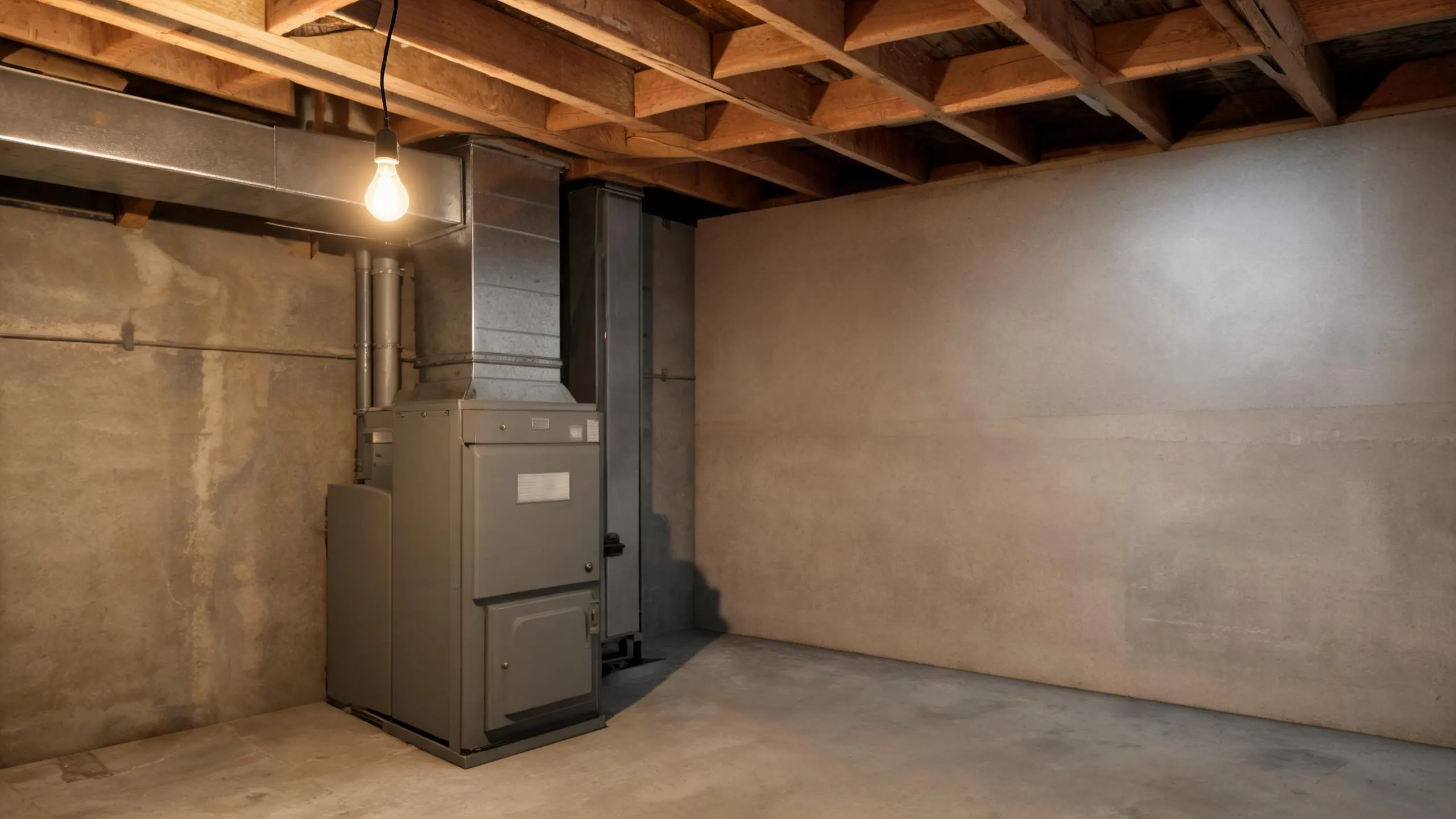
Ten months of work, most of it in the cold
Your furnace carries this house from October through May. On the coldest nights, when it's averaging 18°F outside, the burner is cycling on and off for hours at a stretch, and every start puts wear on the igniter. Eight months is a long stretch for one part to hold up under.
Summer is short here, just July and August, but afternoons near 80°F still push the compressor to run hard in the two months it gets used least. A system that sits idle most of the year and then has to work in short bursts is the kind that fails right when you're counting on it. New Hampshire has seen 66 winter storms and 103 damaging wind events over the past ten years, and last year 22% of households in the state lost power for at least a day. For the 42.2% of homes here that heat with fuel oil, a burner that won't restart after an outage means a cold house until it's fixed.
- 8 months
- October through May, your system heats
- 2 months
- July through August, it cools
- 18°F
- the average winter night it heats against
- 80°F
- the average summer afternoon it cools against
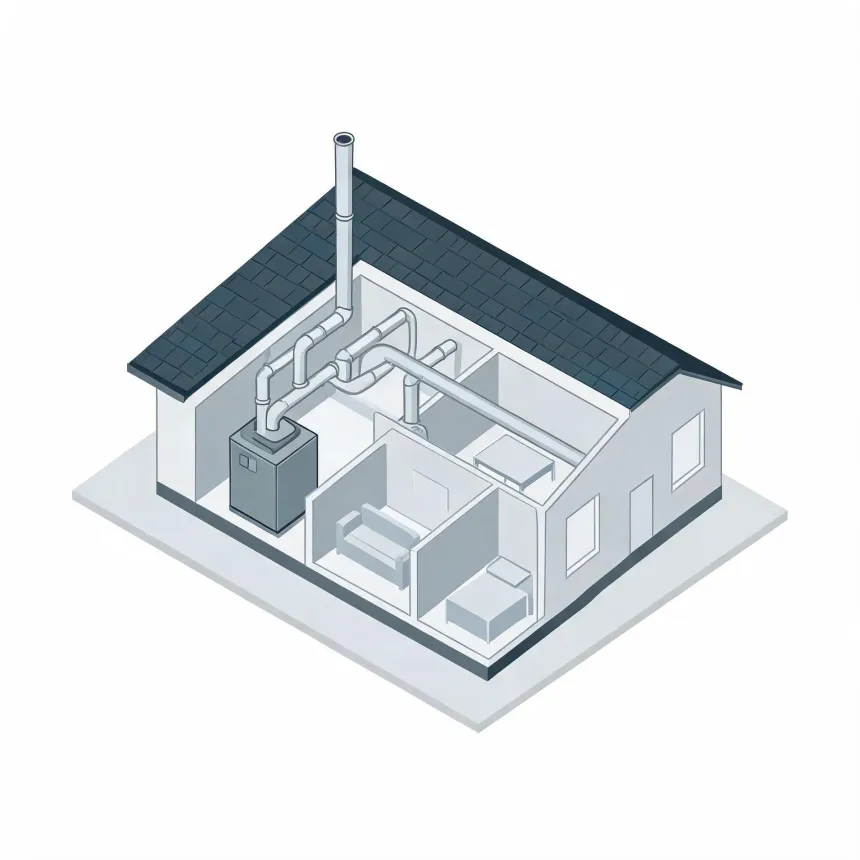
NOAA nClimDiv, 1991–2020 normals
New Hampshire has no state license for HVAC contractors.
There is no license and no state registration for HVAC contractors in New Hampshire. No state board tests these contractors, and no state agency keeps a record of who has passed anything or where they are working.
That means for a heating and cooling repair in Rockingham County, the state itself puts nothing between a homeowner and the contractor they hire. Whatever protection exists on a job like this comes from somewhere other than a license, because New Hampshire issues none.
Source: New Hampshire General Court
- Why is my heat not working?
- Start with the thermostat and the power to the furnace before you assume the worst. Check that the thermostat is set to heat and the temperature is above room temperature, and check the switch on the furnace itself, the one that looks like a light switch, hasn't been bumped off. If you heat with fuel oil, check the tank isn't empty, since a lot of homes here run on oil and that gets missed. If the furnace has a standing pilot, look for the flame. If it's an electronic ignition system and the power was out recently, the furnace may need the thermostat cycled to relight it. When those check out and you still have no heat, it's time for a contractor to look at the igniter, the flame sensor, or the pressure switch.
- Why is my system running but not cooling the house?
- The air is moving but something between the air handler and the room isn't doing its job. A dirty filter is the first thing to rule out, since it chokes off airflow across the coil and the house never catches up. If the filter is clean, check the outdoor unit for the fan actually spinning and the coil free of leaves or dirt built up on it. Warm air out of the vents with the outdoor unit running can mean the refrigerant charge is low, and that needs a contractor with gauges to confirm and fix, since a leak means the system will run low again.
- What can I check before calling for HVAC repair?
- Check the filter first. A filter clogged with dust cuts airflow and can make a furnace or air conditioner struggle or shut off on its own. Check the thermostat is set correctly and has working batteries if it takes them. Look at the breaker box for anything tripped, especially after a storm, since Portsmouth sees enough wind and winter storms that a tripped breaker is a common reason a system stops. If it's a furnace, make sure the switch near the unit is on. None of that fixes a cracked heat exchanger or a failed compressor, but it rules out the simple causes before a contractor comes out to diagnose the rest.