
HVAC Repair in Lebanon, NH
If your system quits, tell us what it's doing and a licensed contractor who covers Grafton County will get in touch.
Tell us about the job
It takes about a minute.
Nine months of heat, and nights near zero
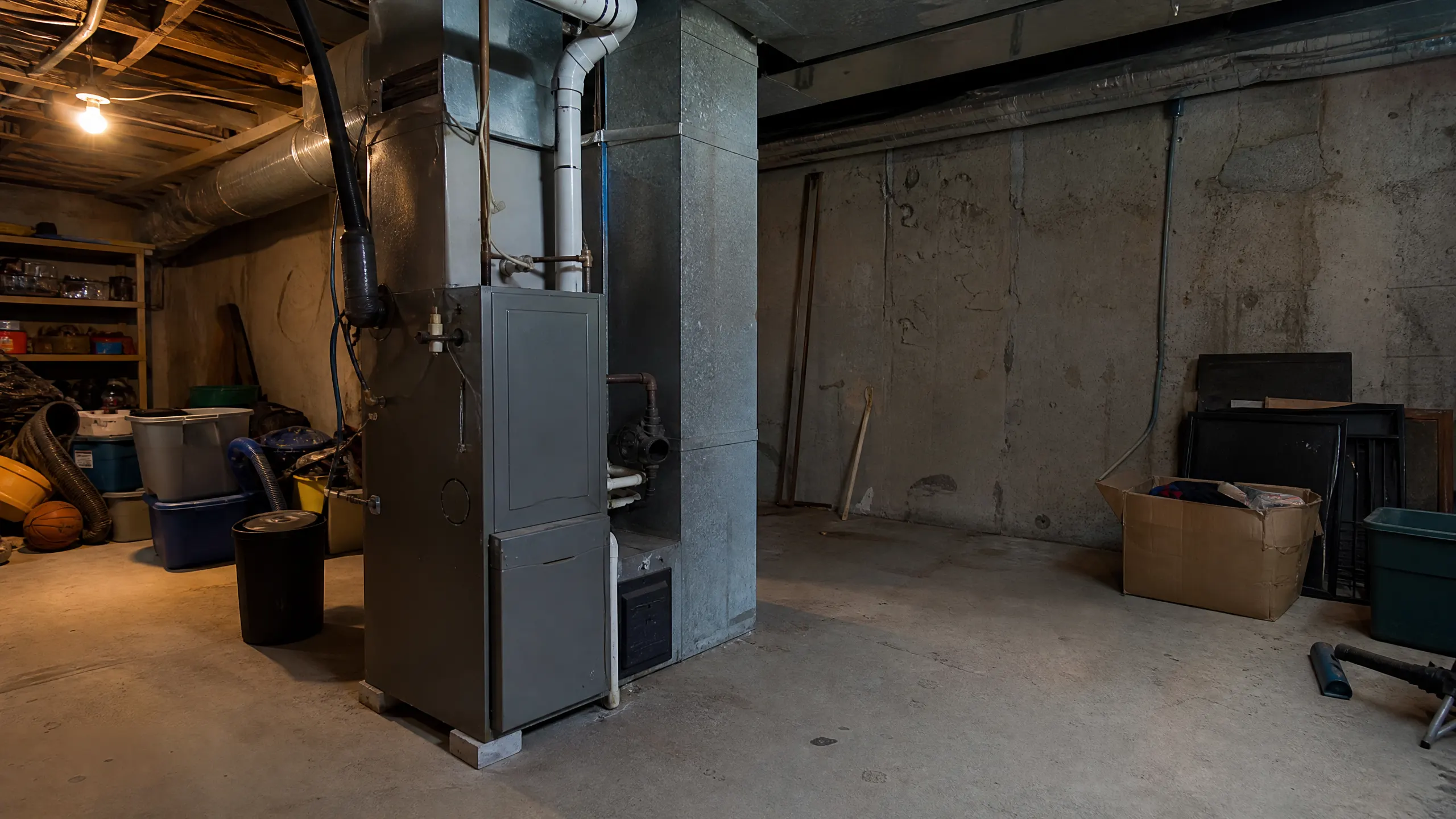
Furnaces in Lebanon run from September through May. Winter nights average 10°F from December through February, so the burner is cycling on and off for hours at a time on the coldest nights. Every start puts wear on the igniter and the flame sensor, and those are the parts most likely to fail right when you need heat most.
43.2% of homes here heat with fuel oil, which means an oil burner, a nozzle, and a filter that need to stay clean to keep the flame lit. Summer afternoons average only 76°F, so cooling systems here see light, easy use most years. The bigger risk to any system is the power going out. New Hampshire logged 74 winter storms and 133 damaging wind events over the ten years from 2015 to 2024, and in 2024, 22% of households in the state went at least 24 hours without power. When the power drops mid-winter, a furnace with electronic ignition will not restart on its own once it comes back.
- 9 months
- September through May, your system heats
- 10°F
- the average winter night it heats against
- 76°F
- the average summer afternoon it cools against
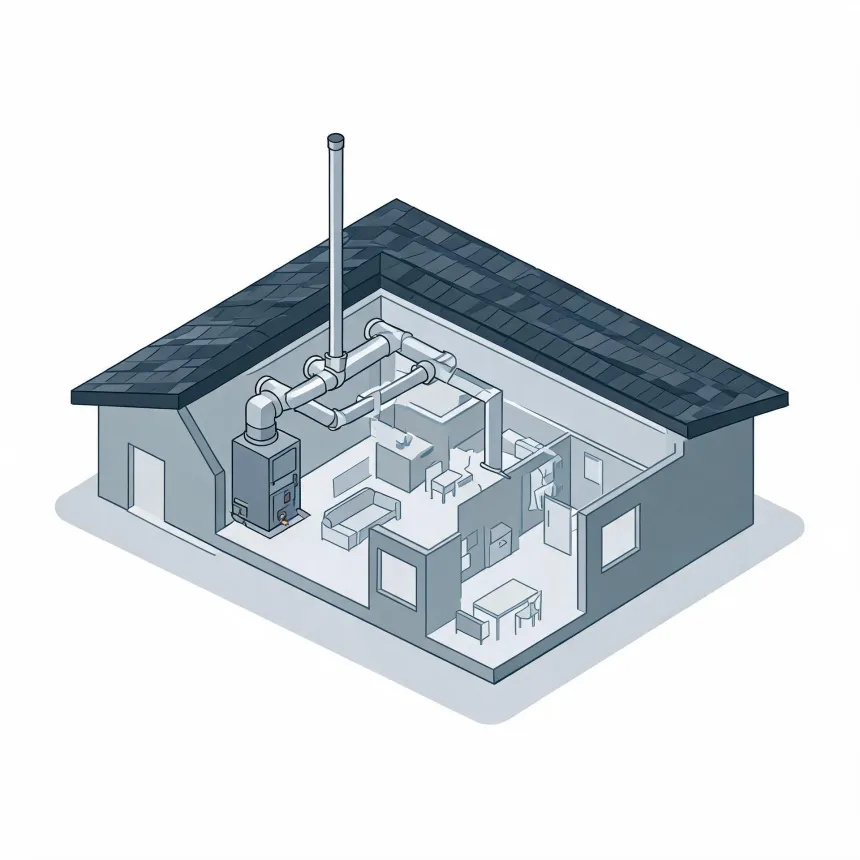
New Hampshire has no state license for HVAC contractors.
New Hampshire has no state license or registration for HVAC contractors, and that holds the same way in Grafton County as anywhere else in the state. No state agency tests them, and no state office keeps a record of who they are or what work they have done.
That means the license itself is not the thing to look for here, because there is not one to check. Whatever protection exists on a repair like this comes from somewhere other than a state credential, since New Hampshire does not issue one to HVAC contractors at all.
Source: New Hampshire General Court
- Why is my heat not working?
- Start with the thermostat and the power to the furnace. If the thermostat is set to heat and the temperature is turned up but nothing happens, check the breaker and the furnace switch, which looks like a light switch near the unit. A furnace that starts and then shuts off within a minute or two is often a bad igniter or a flame sensor that needs cleaning. Winters here run September through May with nights averaging 10°F in December through February, so a furnace that will not stay running is not something to leave for later.
- Why is my system running but not cooling the house?
- Check the air filter first. A filter clogged with dust blocks airflow across the indoor coil, and when there is not enough air moving through it the coil can freeze up and stop cooling the house even though the system is running. If the filter is clean, look at the outdoor unit. If the outdoor fan is not spinning or the unit is caked in leaves and debris, that is blocking the heat exchange it needs to cool the air.
- What can I check before calling for HVAC repair?
- Check the thermostat batteries and the setting first, then the breaker for the furnace or air handler. Look at the air filter and replace it if it is gray or clogged, since a blocked filter causes problems that look like bigger failures. If the outdoor unit is covered in ice, snow, or leaves, clear it. This area has seen 74 winter storms and 133 damaging wind events over the past ten years, and outages are common enough here that it is worth checking the unit still has power before assuming the system itself failed.