
Water Heater Installation in Lebanon, NH
Tell us about the house, and a licensed contractor who covers Grafton County will get in touch.
Tell us about the job
It takes about a minute.
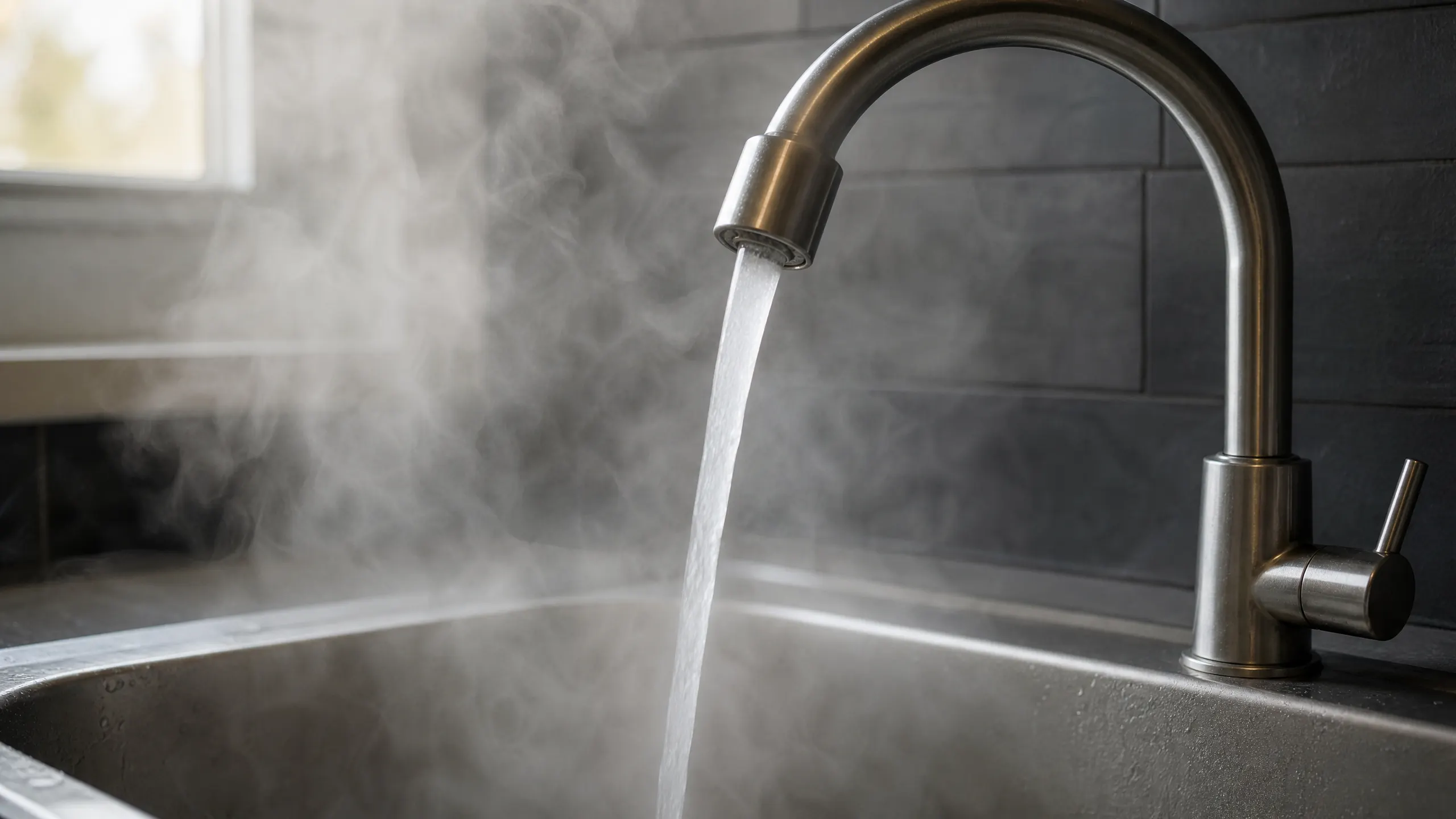
What Grafton County winters ask of a water heater
Your water heater works against cold groundwater nine months a year here, from September through May. On the nights that average 10°F, the incoming water is as cold as it gets, and the tank has to work harder to bring it up to temperature.
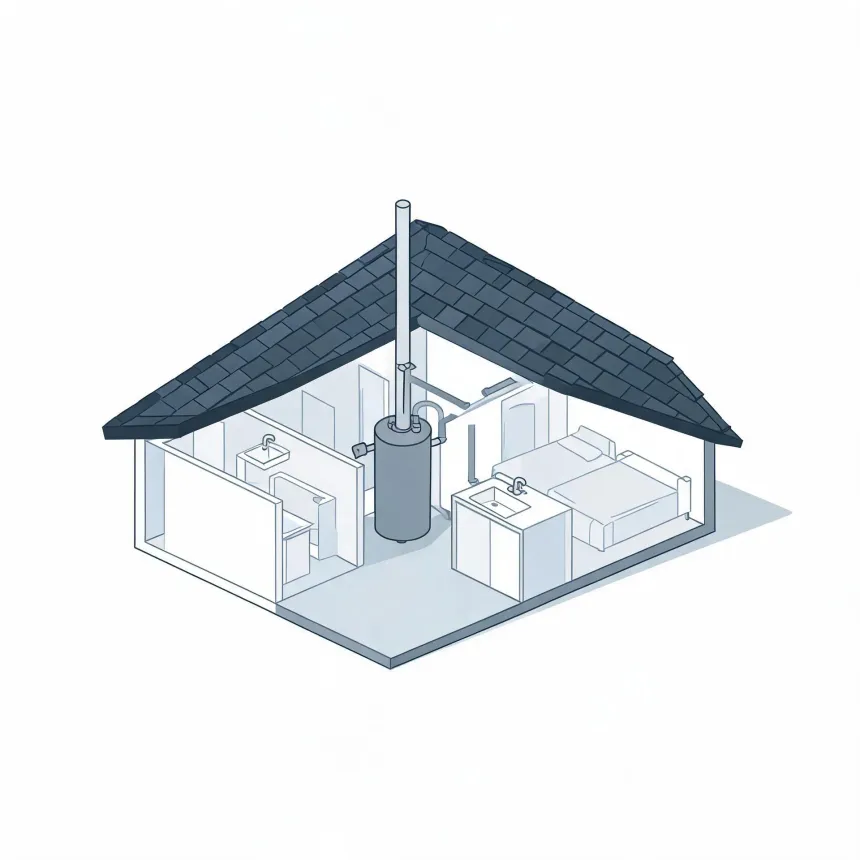
Power matters too. Nearly a quarter of New Hampshire households lost power for at least 24 hours in 2024, and the county has logged 74 winter storms and 133 damaging wind events over the past ten years. A tank-style gas water heater with a standing pilot keeps making hot water through an outage. One that depends on an electric igniter does not, until the power is back. Whatever you install, it also has to meet the federal minimum efficiency for its size and type, which is set by formula rather than one flat number, so the exact minimum depends on the tank you choose.
- 10°F
- the average winter night, and colder incoming water means longer heating
- 9 months
- September through May, the months homes here need heat
- 22%
- of New Hampshire households lost power for a day or more in 2024, and a heater with an electric element or electric ignition stops without it
NOAA nClimDiv, 1991–2020 normals
- How do I know it's time to replace my water heater?
- If your water heater is old and starting to act up, that's your sign. Watch for water that takes longer to heat, rust-colored water, or moisture pooling around the base. A tank that's rusting from the inside will eventually leak, and that usually happens without warning. If a contractor has already told you the tank is corroding, don't wait through a winter here on it. A failure in the middle of a 10 degree night with no hot water is a worse problem than replacing it on your own schedule.
- Should I switch to a tankless water heater?
- It depends on what you want out of it, not on your tank failing. A tankless unit heats water only as you draw it, so you don't pay to keep a tank of water hot all day, and you don't run out partway through a shower. It also takes up less space and tends to last longer than a storage tank. The tradeoff is upfront cost and the fact that installation often means changes to venting and gas or electric supply. A contractor can look at your house and tell you what that would actually involve.
- What changes when you install a tankless water heater?
- The biggest change is that hot water is made on demand instead of stored ahead of time. That means the unit needs enough gas supply or electrical capacity to heat water fast, which is more than a lot of older homes have set up for a storage tank. Venting is different too, since tankless units often vent through a wall rather than up through a roof stack. Some homes need upgrades to the gas line, the electrical panel, or the venting to make the switch, and some don't. A contractor will need to see the house to say which of those apply to yours.