A gray high-efficiency furnace with two white PVC vent pipes stands beside galvanized sheet-metal ductwork in a dim basement with exposed joists and a concrete floor.

Done looking for a furnace pro

Do you need a furnace humidifier in New Hampshire

Winter air in New Hampshire runs dry, especially in a house heated by oil, and that's what brings most people to this question. Whether a furnace humidifier is worth adding depends on your system and how your house feels by January. This page walks through what it does and when a contractor would tell you yes. When you want a local pro to look at your setup, send the request and let them take it from there.

I'm done searching

Most houses in New Hampshire need one. Oil furnace heat, which is what most homes here run on, doesn't add any moisture back to the air the way it pulls it out, so the air inside gets drier the longer the furnace runs through a New Hampshire winter. You'll notice it as static shocks, dry skin, cracking in wood floors or furniture joints, and sometimes a sore throat in the morning. A whole-house humidifier mounts right on the furnace or the ductwork near it and adds moisture back into the air as it circulates, instead of you running a portable unit room to room and refilling it. If your house feels dry every winter by the time January comes around, that's your answer. If it doesn't, you may not need one, and a contractor who looks at your system can tell you which is true for your house.

A man in a blue sweatshirt reclines with closed eyes in a brown leather armchair in a living room with a bookshelf, houseplant, sofa, window, and a side table holding newspapers and a dark mug.
A bearded man in a gray pullover reclines with closed eyes on a brown leather sofa in a sunlit room with a window, framed picture, potted plant, and a wooden cabinet holding papers and a dark mug.
A man in a gray sweater leans back with closed eyes in a brown leather armchair beside a wooden side table holding a dark mug and a folded newspaper, with bookshelves and a window seat behind him.
A man in a green sweater reclines in an armchair with his eyes closed and a slight smile, beside a window with plants, a small table holding a mug and folded newspaper, and bookshelves behind him.

What dry heat does in your house

An oil furnace heats air without adding any moisture to it, so the same air just keeps getting recirculated and drier as the winter goes on. You'll notice it first in small things. Static shocks on doorknobs. Wood floors and trim that start to gap. Skin that won't stay comfortable no matter how much lotion you use. A furnace humidifier works against that by adding water vapor into the air as it moves through the ductwork, so the air reaching your rooms carries some moisture instead of none.


Why New Hampshire winters make it worse

Cold outside air holds very little moisture to begin with, and once a furnace pulls that air in and heats it, the relative humidity drops even further. A New Hampshire winter runs long, often from November into March, which gives an oil furnace months to keep working that air drier and drier with no break. Homes that heat with electric resistance or heat pumps don't dry the air out the same way, but if your system runs on oil, the effect compounds the longer the cold stretch lasts.

An older beige furnace with a louvered vent panel stands on a concrete basement floor beside galvanized sheet-metal ductwork, a metal flue pipe and vertical pipes along a concrete wall.
Before you get your furnace installation
A beige high-efficiency furnace with white PVC vent pipes stands beside galvanized sheet-metal ductwork in a basement with a concrete floor, exposed wood studs, and metal piping along the wall.
After you get your furnace installation
A gray high-efficiency furnace with two PVC vent pipes stands in an unfinished basement beside sheet-metal ductwork, a framed and plastic-covered wall, and a bare concrete wall with vertical pipes.

No humidifier installed

The furnace runs on its own, pulling in air and sending it back out through the ductwork with no moisture added. Through a New Hampshire winter, that's months of dry air circulating. You'll feel it in your skin, your sinuses, and the static that builds up walking across a rug.

A gray furnace cabinet in a basement, connected to galvanized sheet-metal ductwork and white PVC pipes, against a concrete wall with exposed metal piping and insulation overhead.

Humidifier added to the furnace

A humidifier ties into the ductwork and adds moisture to the air as the furnace moves it through the house. The furnace still does the heating. It just stops drying out everything that air touches on the way through, all winter long.

What's going on in your house right now

Walk through your house in January and check a few things. Your houseplants need water more than they used to. The wood floors or stair treads have a gap or a squeak that wasn't there in the fall. You're reaching for lip balm and hand lotion more often, and your kids maybe more than you. If anyone in the house has asthma or allergies, dry air can make their nose and throat feel worse at night. Touch a doorknob or a light switch after walking on the carpet and you get a shock. None of this means something is broken. It means the air moving through your ductwork all winter has no moisture in it, and your house and the people in it are drying out along with it.

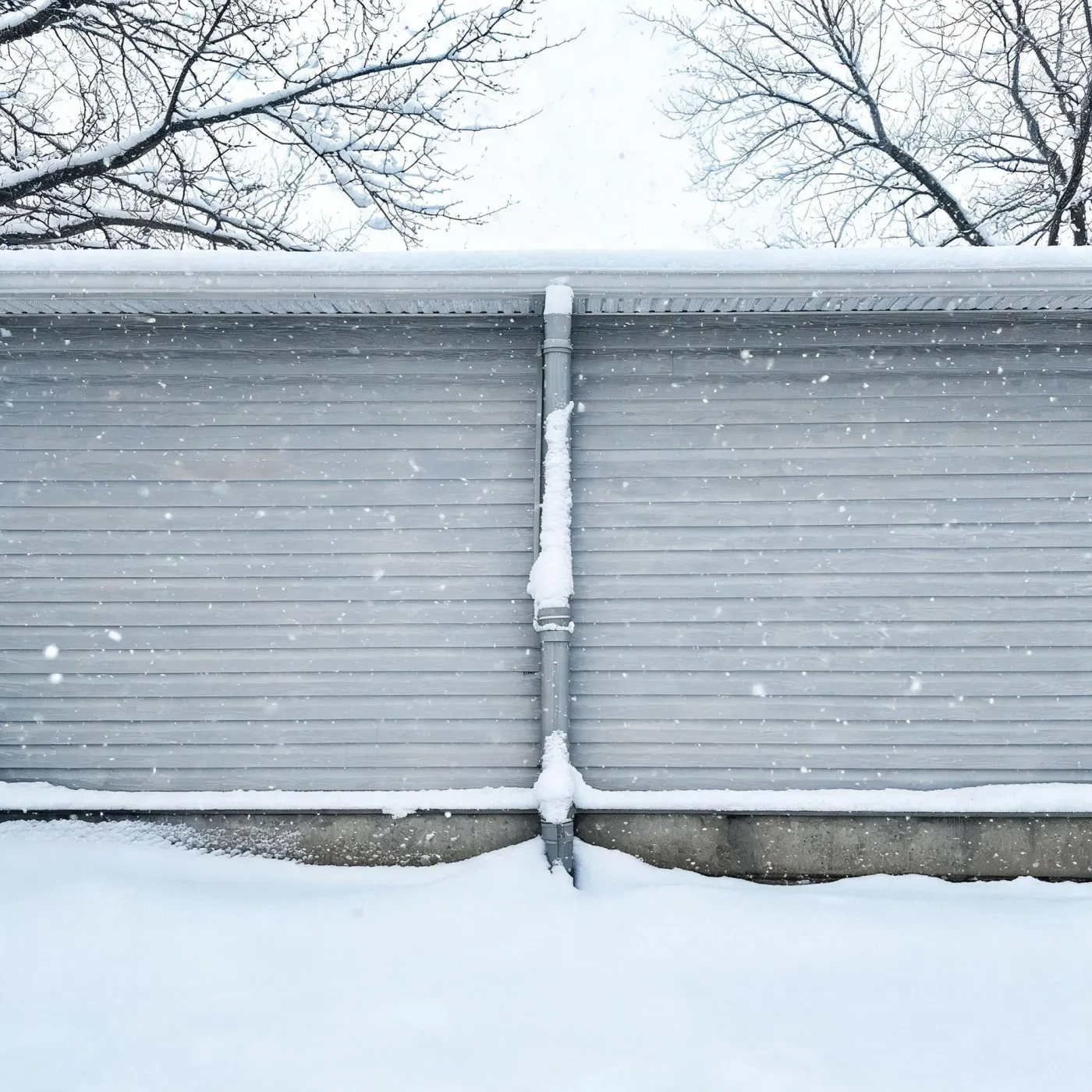
Exterior of a gray horizontal-lap-sided building with a snow-covered roof edge and a central downspout, seen during falling snow with deep snow on the ground and bare tree branches above.

New Hampshire winter nights average 15°F statewide, per NOAA. That's cold enough for an oil furnace to be running long stretches through the night, every night, for months. Every one of those hours it's pulling moisture out of the air and none back in. By morning you'll feel it: dry throat, skin that needs lotion before you've even had coffee. A humidifier matched to your furnace adds moisture back as the system runs, so the air doesn't dry out hour after hour the way it does now. Getting the sizing and the ductwork tie-in right is where it matters, and that's work for someone who installs these on New Hampshire furnaces all winter and knows which units hold up through nights that cold.

NOAA nClimDiv 1991-2020 county normals weighted by homes

It's off your list after this

Your request goes to one pro, not a list of companies.

Asking costs nothing, and the choice to hire stays yours.

A gas furnace with two gray access panels stands against a plain wall in a basement, connected to sheet-metal ductwork, white PVC vent pipes, and a yellow gas line.

Running the furnace without one

The furnace keeps doing what it's always done. Some nights you'll run a space heater in one room, a kettle on the stove in another, just to put a little moisture back in the air. It helps for an hour. By morning it's gone and the furnace is still pulling dry air through the ductwork, running longer than it needs to because dry air feels colder at the same temperature, so you bump the thermostat up a degree or two to compensate.

A gray high-efficiency furnace in a basement corner with white PVC vent pipes, copper and black gas piping, and sheet-metal ductwork beside a plain white wall and wooden stair framing.

Running the furnace with one

A humidifier installed on the furnace adds moisture to the air every time the system runs, so the house holds a steadier level through January and February instead of drying out more each week. You stop reaching for the thermostat to make up for how the air feels. The wood floors and the furniture stop moving with the season. It's one thing working alongside the furnace instead of one thing undoing what the other half does.

Winter nights average 15°F statewide

At 15°F, your furnace isn't cycling off much once the sun goes down. It's running most of the night to hold the house, and every one of those hours it's drawing moisture out of the air without putting any back. By February that adds up to a house that's bone dry by morning no matter how warm it feels.

NOAA nClimDiv 1991-2020 county normals weighted by homes

Where this leaves you

  • If you heat with oil, a furnace humidifier is almost always worth installing in a New Hampshire winter.
  • Dry air shows up as static shocks, cracked skin, and gaps in wood floors long before anyone thinks to blame the furnace.
  • A furnace running most of the night at 15°F outside is pulling moisture out of the house for months straight.
  • A space heater or a kettle on the stove puts a little moisture back for an hour, but it's gone by morning.
  • Installing one on the furnace means every cycle adds moisture back instead of just pulling it out.
  • The question isn't really whether you need one here, it's how dry your house already is by January.

An oil furnace heats your house without ever adding moisture back, and in a New Hampshire winter that's months of dry air with nothing to offset it. By the time you notice static shocks or a floorboard that didn't used to squeak, the furnace has already been running that way for weeks. Nights in the teens keep it going for long stretches with no break, and every one of those hours works the same way: heat out, no moisture back. A kettle or a space heater buys you an hour, maybe less, and then the house is back where it started. A furnace humidifier changes what each cycle does. Instead of just moving dry air through the ducts, it puts moisture back into that same air on its way out, so the furnace isn't working against you anymore. That's the difference between a house that dries out more every week from November to March and one that holds steady. If your house already shows the signs, the dry skin, the static, the gaps in the floor, that's your answer, not a guess about whether you might need one. The system you have, oil heat, cold nights, months of steady runtime, is exactly the setup where this matters most. What's left to figure out is what your house needs and what the furnace can take, and that's a question for someone who can look at the system directly.

An older man with gray hair and a beard leans back on a beige sofa with his eyes closed, in a sunlit room with potted plants, a wicker chair and large windows behind him.
A woman in a cream knit sweater sits in an armchair with her eyes closed and a slight smile, beside an open window showing orange autumn foliage, with a mug, books and a lit candle on a small side table.

Furnace Installation

Stop chasing a furnace pro

One installer gets your project, so there's no bidding war over it.

A black-framed smartphone standing upright against a plain white background, its screen filled with solid green.
New system or replacementFurnace or heatingNew Hampshire
Step 1 of 2

What ZIP code is the job in?