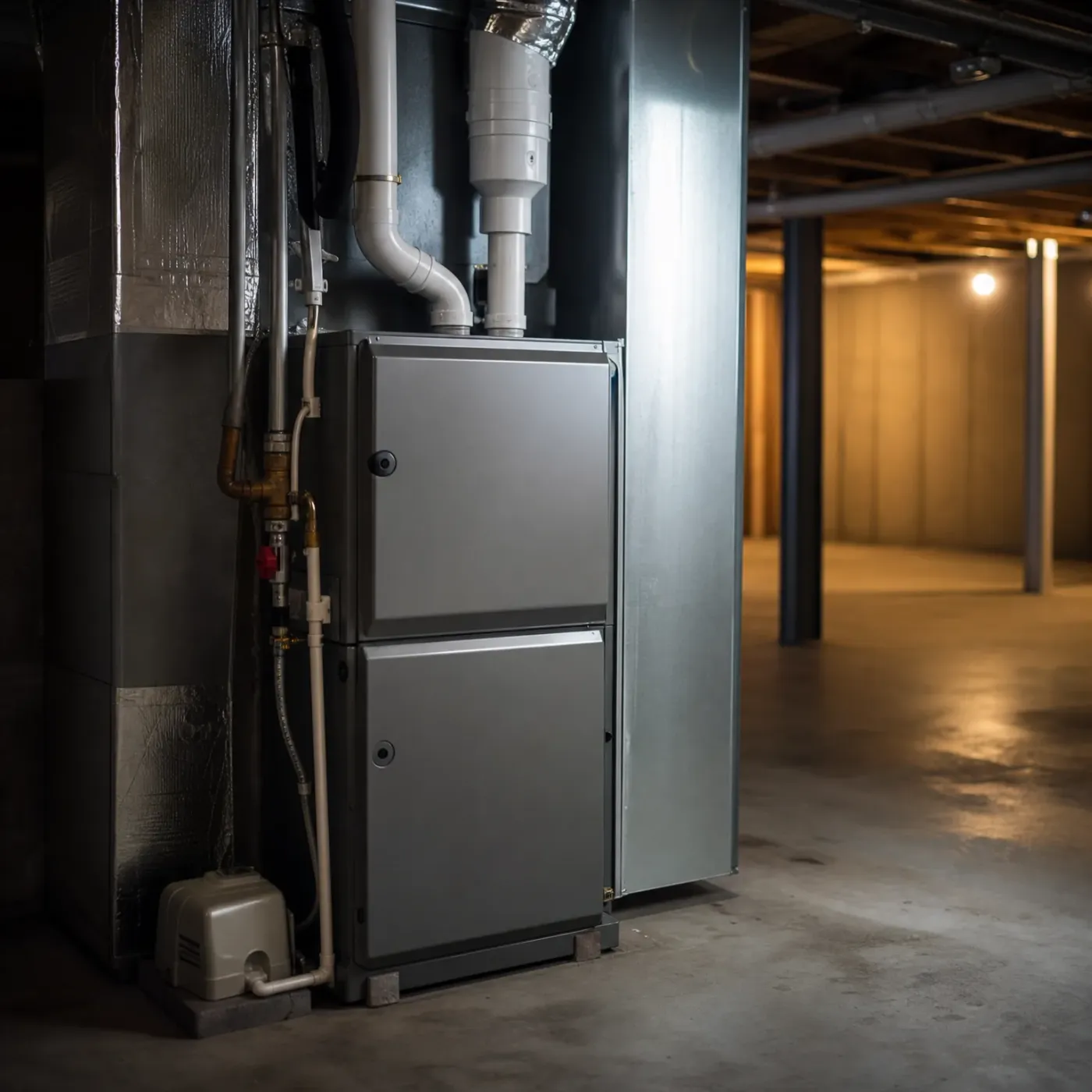






A gray high-efficiency furnace with PVC venting, copper and plastic piping, and a condensate pump sits beside sheet-metal ductwork in a concrete-floored basement.

Hand off the search today

Why your furnace ignitor keeps failing in New Hampshire

A furnace ignitor that fails over and over usually isn't bad luck. Something is making it work harder than it should, or it's the wrong part for your furnace. This page gets into what causes repeat failures and what to check. Once you're ready for a repair, send the form and skip the part where you call around New Hampshire explaining the problem to every contractor who picks up.

Send it today

A furnace ignitor that keeps failing is usually one of two things. Either it's a hot surface ignitor that's cracking from a bad run of power, or it's the wrong replacement part drawing more current than your furnace's control board was built to handle. Oil heat systems like the ones common in New Hampshire still use electric ignition to start the burner, and that ignitor sees a lot of cycles over a long winter. Power surges and dips here are harder on that thin ceramic strip than steady power would be, and each one shortens its life a little more. A furnace that's short cycling, turning on and off more than it should, also stresses the ignitor every time it fires. If yours has failed more than once, the part itself is rarely the whole story. Something else is making it work too hard, and that's worth finding before another ignitor goes the same way.

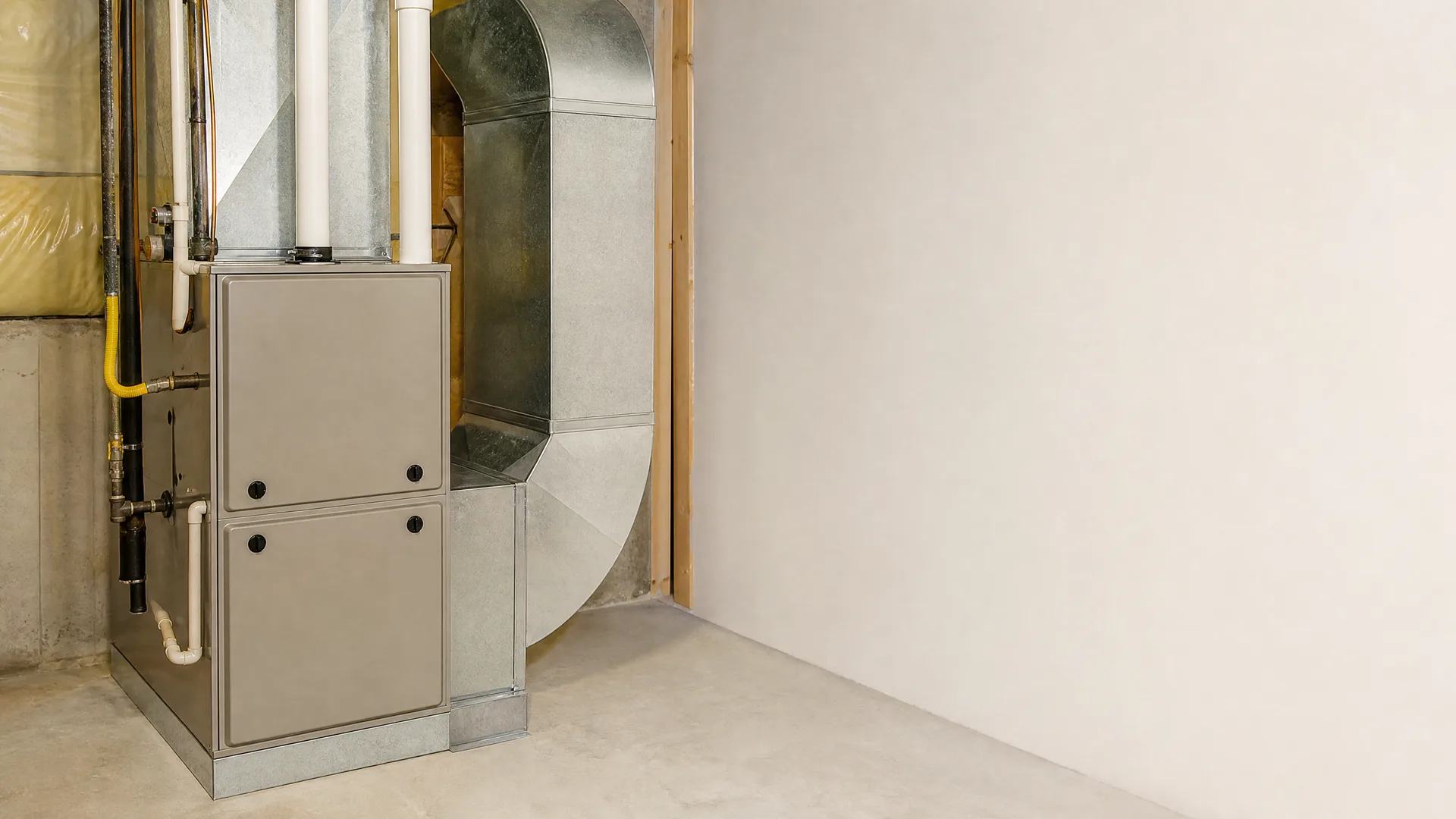
A gas furnace with sheet-metal ductwork, PVC vent pipes and copper and black piping stands against a wall in a basement with a bare light-colored wall and concrete floor.

Why the wrong part keeps cracking

A hot surface ignitor draws a specific amount of current, and your furnace's control board is built around that number. A universal replacement that isn't matched to your model can pull more than the board expects. The ignitor runs hotter than it should every time it fires, and the silicon nitride or carbide strip inside it gets a hairline crack a little sooner each cycle. Eventually it breaks mid-cycle instead of glowing steady.

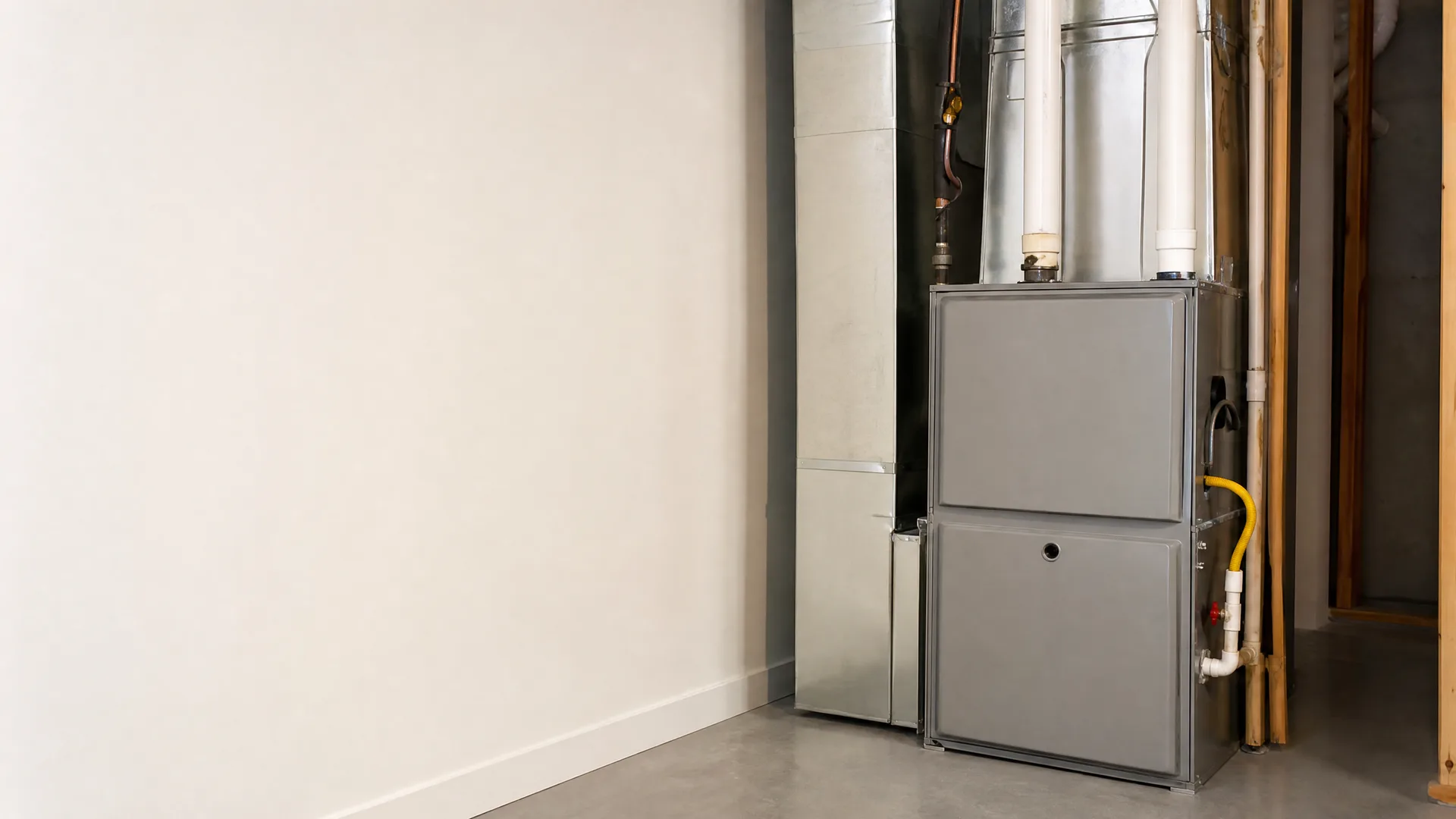
A gray furnace with attached sheet-metal ductwork, white PVC vent pipes, copper and yellow gas lines stands against a wall in a room with a plain white wall and concrete floor.

What bad power does to it

New Hampshire's grid sees voltage dips during storms and the cold snaps when everyone's heat runs at once. An ignitor pulls full current the moment it's told to fire, and a low or uneven supply stresses that strip right at the point it's most brittle. Oil furnaces cycle the ignitor every time the burner starts, so a system running hard through a cold month puts it through that stress far more often than one running mild.

Why does my furnace keep blowing igniters every winter?

You've replaced the ignitor more than once, and it always seems to happen when it's cold out and the furnace is running the most. You deal with small problems before they turn into bigger ones, so you want to know if this is just wear, or if something else is wearing the part down faster than it should.

Power fluctuations and a mismatched part are the two most common causes

Hot surface ignitors are brittle by design, and a power surge or a dip from the grid can crack one even on a furnace that's otherwise fine. New Hampshire's electric rates are among the highest in the country, and the grid feeding your house still has the same swings whether rates are high or low. If your furnace cycles on and off more in January and February, the ignitor is heating and cooling more often too, and each cycle is a chance for a hairline crack to finally give out. If every replacement fails within a season, the part itself is worth checking against your furnace's model number.

A smiling man in a navy long-sleeve shirt sits at a wooden table in a kitchen and dining area, with a ceramic mug, a potted plant, and a sliding glass door behind him.
A smiling bearded man in a green henley shirt stands at a kitchen island with a gray mug, looking off to the side, with a dining area and shelves blurred behind him.
A smiling bearded man in a navy sweater sits at a white kitchen island with a ceramic mug, with open shelves, potted plants and a range hood behind him.
A smiling man in a dark olive long-sleeve shirt sits in a kitchen beside a counter with a dark mug, with a dining table, sideboard and hallway visible in the blurred background.

What you're probably noticing right now

The furnace clicks, you hear the igniter glow and try to catch, and then nothing. No flame. Maybe it takes two or three tries before the burners light, or it doesn't light at all and the house starts to feel the difference fast with how cold it gets here. You might find the old igniter cracked clean through when you pull it out, or notice it's happened again just a few months after the last one. If this keeps repeating, you're looking at more service calls than one furnace should need, and a house that can't hold heat through a January night until someone fixes what's actually causing it.

A smiling man in a dark blue T-shirt sits on a light gray sofa in a living room with a wooden shelf and window behind him, with a laptop edge visible in the foreground.
A bearded man in a plaid flannel shirt stands indoors looking out a frost-covered window, with a steaming dark blue mug on the wooden sill and snow-covered trees outside.

Hand off the furnace problem

A furnace that won't light reliably in a New Hampshire winter isn't something to sit with while you call around. Oil heat means a service company that knows oil furnaces, not just gas, and that's a shorter list than you'd think. You could spend an evening on the phone finding out who even works on your system, explain the same clicking-and-no-flame problem four or five times, then sit with quotes trying to guess who's worth the call. With power costs here among the highest anywhere, a furnace limping along on bad ignites is also costing you more than the repair will. Send the request once and that search stops being yours to run. You're not getting five strangers calling at once, and you're not on the hook for anything by asking. You just stop being the one who has to find the right person for a furnace that keeps leaving your house cold at the worst possible time.

Living with it for now

Some ignitors fail twice in a season and then hold for the next two. If the furnace is lighting fine on the second or third try and the power at the house has been steady, you can wait and watch. Keep a spare ignitor on hand if the model is easy to source. The risk is that a furnace running through a New Hampshire winter on a weak ignitor can leave you without heat on the night you least want to deal with it, and oil furnace techs book up fast once it gets cold.

Having it looked at now

If the failures are close together, every few weeks instead of every few years, something is driving them and it won't stop on its own. A tech can check whether the replacement part matches your furnace's control board and whether the power coming into the house is doing something it shouldn't. That's one visit instead of a string of them, and one person who's seen the whole history of the furnace instead of whoever's free the day it quits in January.

Winter nights average 15°F statewide

At 15°F, your furnace is firing often and the ignitor is doing most of the work, over and over, night after night. Cracks that would take a few winters to show up elsewhere show up in one here.

NOAA nClimDiv 1991-2020 county normals weighted by homes

Where this leaves you

  • A furnace ignitor that fails more than once a season is either reacting to bad power or fighting a part that pulls too much current.
  • Hot surface ignitors crack from repeated power surges or spikes, and a universal replacement not matched to your furnace's control board can draw more than that board expects.
  • Oil furnaces running hard through a New Hampshire winter put an ignitor through more on and off cycles than most climates ask of it.
  • If the furnace lights fine after a try or two and your power has been steady, waiting and keeping a spare ignitor on hand is a reasonable call.
  • Finding an oil-furnace technician instead of a gas-only outfit is the part of this that actually takes the evening, not the repair itself.
  • Once you send the form, you're done calling around and done explaining the same failure to a third company this week.

A furnace ignitor that won't hold is telling you something, either about the power it's getting or about whether it's even the right part for your furnace. Figuring out which one takes a look at the control board and the ignitor itself, not a guess. If the furnace has been lighting on the second or third try and nothing else has changed, there's no harm in riding it out with a spare on hand. If it's failing more often, or not lighting at all some nights, that's past the point of watching and waiting.

What actually eats the time here isn't the repair. It's finding someone who works on oil furnaces in the first place, since most of what comes up in a search is gas-only outfits that will tell you they can't help once you describe the system. That's a call, then another call, then explaining the same failed ignitor a third time to someone who still doesn't service oil. Send the form instead and that search is done. You're not left sorting through company names on a cold night trying to find the one that actually answers for oil heat. Someone who works on your kind of furnace gets the details you'd otherwise repeat three times, once, and takes it from there. The part that was eating your evening is gone. The repair still has to happen, but finding who does it isn't your job anymore.

An empty basement with bare concrete walls and floor, exposed wooden joists and pipes overhead, and a dark furnace with sheet-metal ductwork and vent pipes in the right corner.

Send one request and you're done looking

Describe what your furnace is doing once, in one form.

RepairFurnace or heatingNew Hampshire
Step 1 of 2

What ZIP code is the job in?