

It fires up and runs clean
Power comes back, the switch is on, and the furnace lights and runs through its cycle without tripping out. The burner stays lit, the blower comes on, and warm air moves through the ducts like before the outage.
Say what's going on with your furnace, and a pro who works on them reaches out.
Find a pro near meYou lost power, and now it's back, but the furnace won't fire. In most New Hampshire homes the furnace runs on oil, and oil furnaces have more that can go wrong after an outage than just the electricity coming back. If the system was already due for a look, or the outage ran long, a simple reset might not be enough to get heat going again.
Most furnaces restart on their own once power comes back, the same way a light turns back on. But an oil furnace has a reset button on the burner, usually a small red button with a light on it, and if the burner tripped during the outage, that switch stays off until someone presses it. Some furnaces also lose their pilot or igniter sequence during a longer outage and fail to relight on the first few tries. If the switch is already reset and it still won't run, the ignition system, the fuel line, or the control board may have an issue that an outage alone doesn't explain.

Power comes back, the switch is on, and the furnace lights and runs through its cycle without tripping out. The burner stays lit, the blower comes on, and warm air moves through the ducts like before the outage.

You reset it and it fires for a few seconds then shuts off, or it does nothing. On an oil furnace that often means the reset button has tripped more than once, which points to something beyond a simple restart.

You flip the switch back on, the burner catches, and the furnace settles into its normal run. The flue pipes draw, the blower kicks in once the air handler warms up, and heat moves through the ducts the way it always has. No smell, no tripping, no second attempt needed.

The burner fires for a second and quits, or it never lights at all. The cabinet looks the same as always, maybe dustier, but something past the reset button is holding it back. An oil furnace coming off a power outage has more that can fail this way than a gas one.




Describe what your furnace is doing once, in one form.
A local pro who knows furnaces gets your details and gets in touch.
Sending the form costs nothing.

A furnace that won't restart isn't just an inconvenience here. Oil heat is already the main expense in most New Hampshire homes, and electricity to run the blower and ignition costs more here than in nearly any other state. Every hour you spend on hold with one company, then calling the next, is an hour your house keeps losing heat while you're not actually fixing anything. If pipes are near an outside wall, that clock matters more than it looks like at first.
You don't need to learn the oil burner's safety switches or figure out whether the problem is the primary control or something electrical from the outage. What you need is someone who already knows oil systems in this state to look at yours. Getting matched with a contractor who handles New Hampshire furnaces means one call instead of several, and someone reaching out to you instead of you chasing an answer.


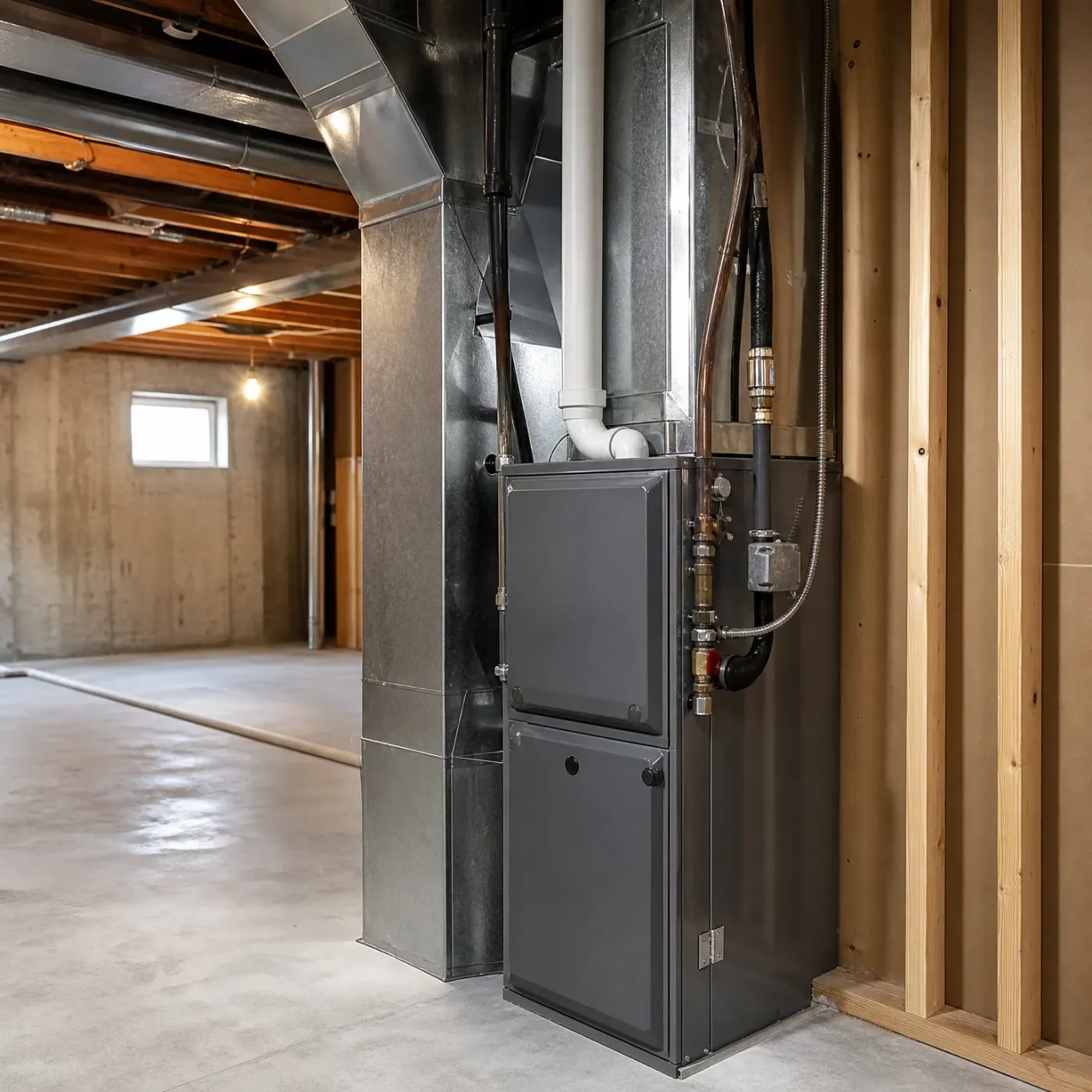
The basement is dark except for your flashlight. It's a little past six, already black out, and the oil furnace sits quiet against the wall where it's always hummed by now. You crouch by the burner door and catch a faint haze hanging in the beam, dust kicked up when the blower cut out and never got the chance to settle back down. Upstairs the kids are asking why it's cold. You press the reset button once and wait, listening for the burner to catch. Nothing. Just the drip of the oil line settling and your own breath in the cold air, and November outside the little basement window, pressing in.
Walk through and check. The air coming from the vents is the same temperature as the room, or there's no air moving at all. The thermostat display might be blank or flashing even though the power's back. Downstairs near the furnace, you may notice an oil smell that wasn't there before, or hear a clicking sound as it tries to light and fails. Upstairs, the rooms farthest from the furnace will cool first. If this goes on for more than a few hours, pipes in outside walls or in the basement are the next concern, especially on a cold night. A furnace that won't restart on its own after an outage usually needs a hand, not just time.


At 15°F, a furnace that won't restart gets cold fast. Pipes near outside walls are the first at risk once the house drops below room temperature for a few hours. That's the math behind calling someone tonight instead of waiting to see how the morning goes.
NOAA nClimDiv 1991-2020 county normals weighted by homes
An oil furnace needs a steady spark and a steady flame signal to relight after power drops. One weak part, a dirty flame sensor or a cracked igniter, and the burner tries, fails, and locks out again.
That's why pressing the reset button twice rarely works. The second lockout usually means the furnace needs more than a reset, it needs a part looked at.


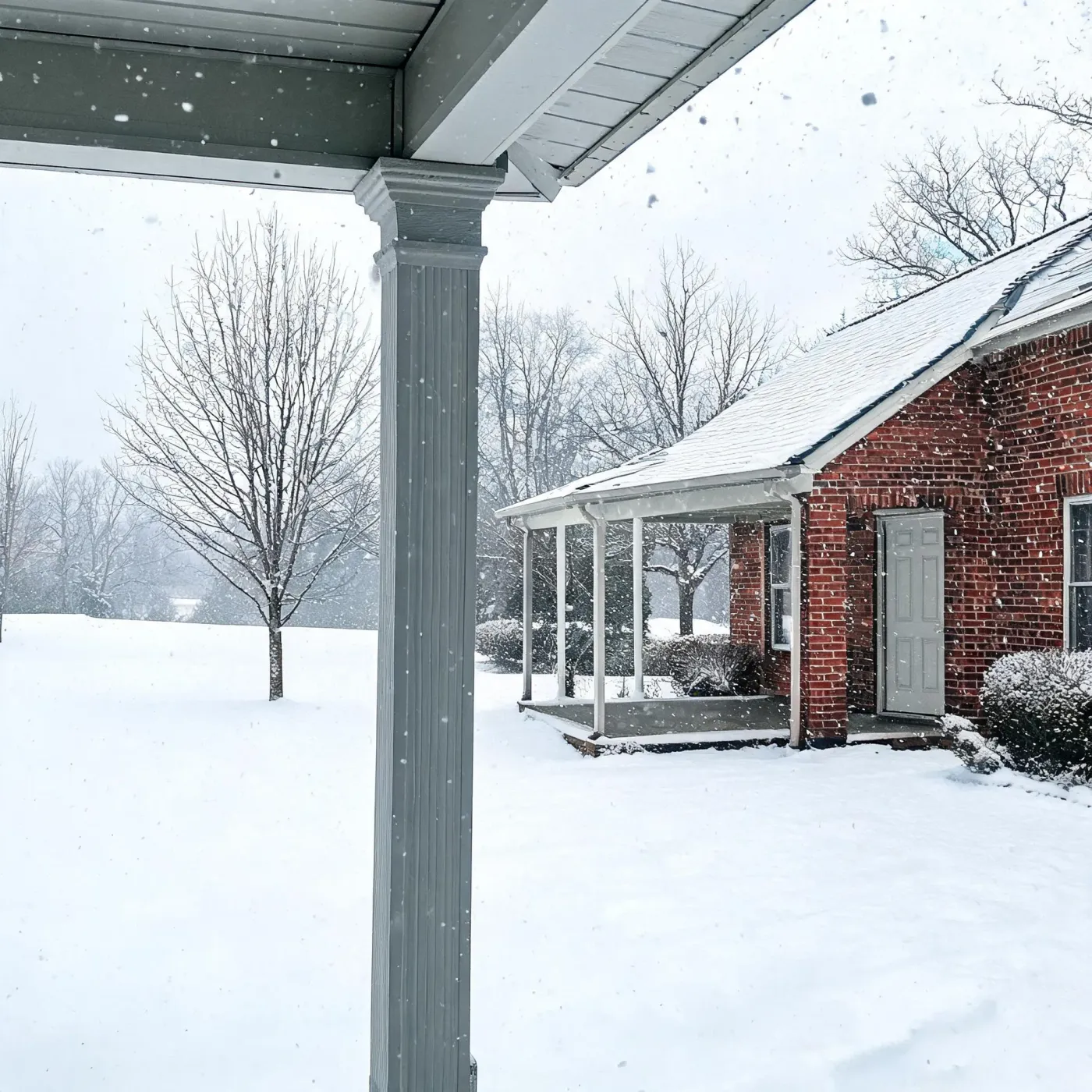
Winter nights average 15°F statewide, according to NOAA. That's the temperature your furnace is fighting at 2 a.m. when it should be cycling on and off without you noticing. If an outage knocks it out and it won't restart, the house doesn't stay comfortable for long. Rooms farthest from the furnace cool first, floors go cold underfoot, and by morning you're pulling out extra blankets instead of waking up to a warm kitchen. A furnace that restarts cleanly after a power blip is the difference between a quiet night and one spent checking the thermostat every hour to see if the temperature's still dropping.
NOAA nClimDiv 1991-2020 county normals weighted by homes
A furnace that won't restart after the power comes back is either a tripped switch you can fix in a minute or a part that failed and needs a tech to find. You've already tried the reset, checked the switches, maybe stood at the breaker box more than once. If it's still not running, that's your answer: it's not the power anymore, it's the furnace. From there the choice is between spending the evening calling oil companies and repair outfits around New Hampshire, explaining the same dead burner and the same outage to each one, waiting on callbacks, and comparing quotes, or answering a few questions once and letting a contractor who handles this call you back. The house is already cold and getting colder. The part that's broken is the part that's broken either way. What changes is whether you spend tonight working the phone or waiting by it.

Get the right pro for your furnace