





Why your furnace keeps tripping the breaker in New Hampshire

RepairFurnace or heatingNew Hampshire
Step 1 of 2

What ZIP code is the job in?

Why does my furnace keep tripping the breaker?

A furnace that trips the breaker once is annoying. One that keeps doing it, load after load, usually means something inside is pulling more current than it should, or shorting partway through the cycle. With oil heat running most of the night through a New Hampshire winter, a breaker that won't stay on is a furnace you can't count on.

Usually a short or a failing motor drawing too much current

Most of the time it's the blower motor. As it wears, it starts pulling more amps than the circuit allows, and the breaker does what it's supposed to do and cuts power before anything overheats. A shorted wire inside the furnace, a failing igniter, or a cracked heat exchanger that's letting the flame sensor misread the burn can all do the same thing. If it trips right when the blower kicks on, look at the motor first. If it trips partway through a long burn, the problem is more likely electrical inside the cabinet. Either way, a tripped breaker is the circuit protecting itself, not the actual fault. Running oil heat on a breaker that won't hold, through a New Hampshire winter, isn't something to wait out.

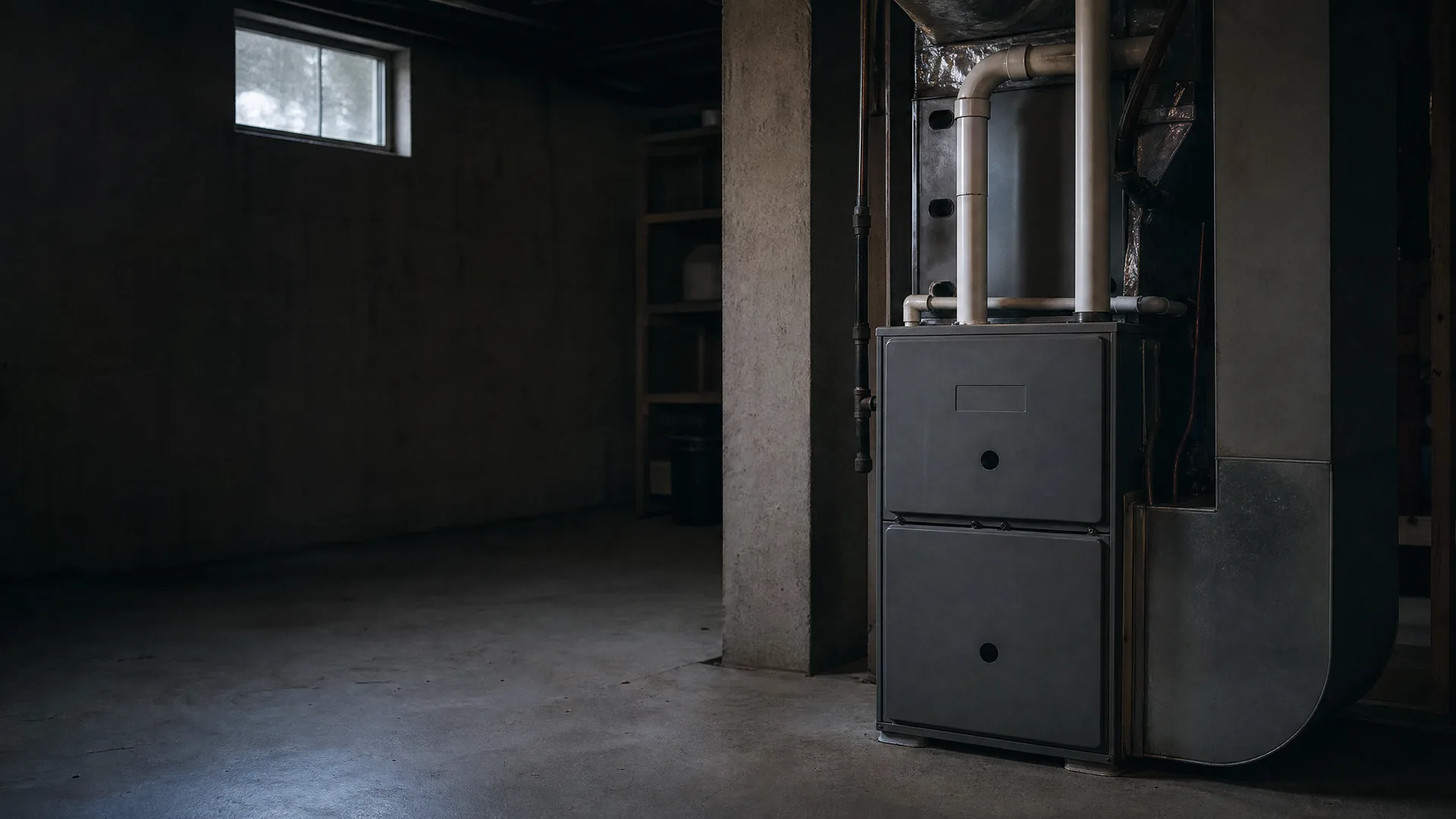
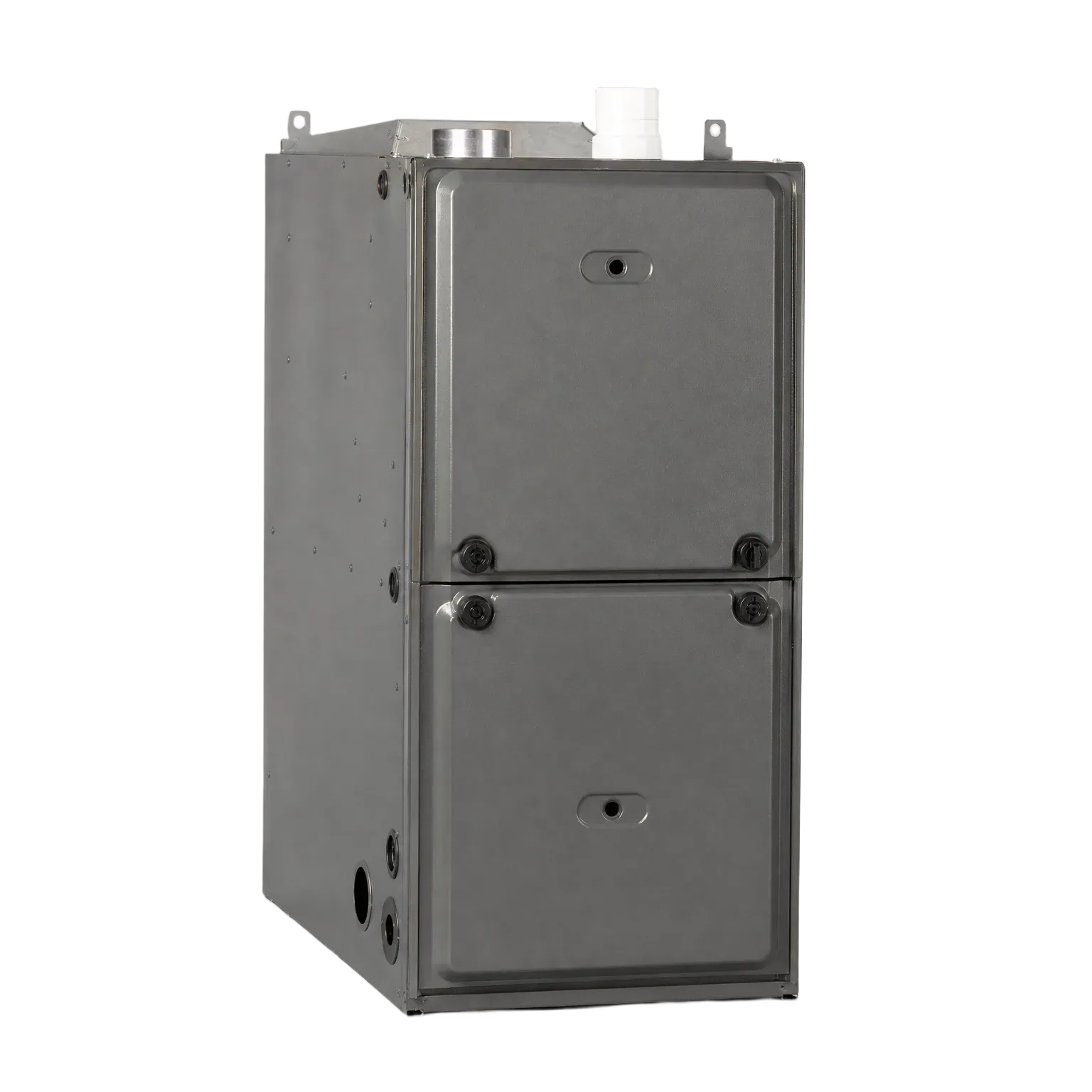
A gray high-efficiency furnace with white PVC vent pipes and attached ductwork stands beside a concrete support column in a dim, empty basement with bare concrete walls and floor and a small window.

The basement is cold enough to see your breath near the stairs. It's just past six, dark already, and the furnace sits quiet when it should be running. You flip the breaker back for the third time tonight. The blower kicks on, the burner catches, and maybe ninety seconds later it's dark again, the air near the cabinet gone still except for a thin haze of dust catching the light from the bare bulb overhead. Upstairs the thermostat still reads sixty-two. You've got oil in the tank and a November wind working on the windows, and a breaker that won't hold.

A gray high-efficiency furnace with white PVC vent pipes stands beside galvanized sheet-metal ductwork in a basement with a concrete floor, with a wooden staircase and railing at left.
A furnace that starts, runs, and shuts down on its own at the end of the cycle is drawing current the way it was built to.
An older gas furnace with louvered panels sits on a concrete pad in a basement, connected to sheet-metal ductwork and PVC and metal pipes, with a water heater and wooden stair framing in the background.
A furnace that trips the breaker mid-cycle, with gas still shut off at the valve, is telling you a part inside is already failing.

What's Actually Drawing That Current

  • The blower motor draws the most current of any part, so a failing bearing or winding is the first thing a tech checks.
  • A dirty flame sensor can make the igniter cycle the burner on and off rapidly, and that repeated draw can trip a worn breaker.
  • The inducer motor pulls air through the heat exchanger before the burner fires, and a seized one will trip the breaker on startup alone.
  • A short in the low-voltage wiring to the thermostat can trip a breaker even though the transformer and control board are rated well under the breaker's limit.
  • If the trip happens right when the blower kicks into high speed, the motor's run capacitor is often weak and letting the motor pull too hard.
  • Oil furnaces add the primary control and the burner motor to the list, since either one can short and pull extra amps nobody expects.

Every part inside your furnace draws a set amount of current, and the breaker is sized to handle that amount plus some room to spare. When something inside starts pulling more than it should, the breaker does its job and shuts off the circuit before a wire gets hot enough to matter. The question is which part crossed that line.

The blower motor is the biggest draw in the cabinet, so a tech usually starts there, checking the bearings and the winding for the kind of wear that makes a motor work harder than it was built to. The flame sensor is a smaller thing but causes the same result a different way. Once it's coated with soot, it can't tell the control board the burner lit, so the igniter cycles the gas on and off trying to get a signal, and that repeated start-up draw is often enough to trip a breaker that's already a little worn itself.

Low voltage parts matter too. The thermostat wire runs at a fraction of the furnace's main power, but a short in that wire can still trip the breaker even though the transformer and control board never came close to their rated limit. If you're on oil heat, add the primary control and the burner motor to the list of places a short can hide. Either one can pull extra amps that have nothing to do with the blower or the flame sensor at all.

Winter nights average 15°F statewide

At 15°F overnight, your furnace is running long cycles for hours at a stretch, not short bursts. That's more time for a failing part to pull hard on the breaker before the cycle ends on its own.

NOAA nClimDiv 1991-2020 county normals weighted by homes

What a short pulls from the line

A motor or igniter that's shorting doesn't draw a little more current, it draws a lot, right away, which is why the breaker trips instead of just warming up. Breakers are built to hold a steady load and snap on a sudden one. A blower motor with a failing winding can pull two or three times its normal draw for a second before it shorts fully. That spike is enough. The furnace doesn't ease into the problem and then fail, it fails the moment that part can't hold its own circuit anymore, and the breaker does exactly what it's supposed to do.

Why the breaker itself matters

A breaker that's original to the house has been opening and closing on this circuit for years, and the metal contacts inside wear with every trip. A worn breaker can start tripping below its rated load, which means it's not always the furnace getting worse, sometimes it's the breaker getting weaker. That's part of why a repair call checks both. If a tech swaps the part that's failing and the breaker still trips on the next cold night, the breaker was carrying part of the problem the whole time. Oil furnaces pull more on startup than gas ones do, which asks more of that breaker every single cycle.

A gray-haired man in a dark sweater sits on a light gray sofa in a living room, looking toward a sunlit window with trees outside.
A gray-haired man in a dark blue sweater sits on a light gray sofa in a sunlit living room, looking off to the side, with a potted plant, shelving unit, and large glass doors behind him.
A bearded man with graying hair in a dark green sweater sits on a sofa in a living room, looking off to the side, with a sliding glass door and a dim kitchen doorway behind him.
A gray-haired man in a dark knit sweater sits on a light gray sofa in a living room, looking toward a sunlit window, with houseplants, a lamp, and framed art in the background.

One form, no calling around

Your request goes to one pro, not a list of companies.

No fee to send it, and nothing to sign.

Waiting to see if it happens again

You reset the breaker, the furnace runs fine for a day, and you tell yourself it was a fluke. Then it trips again on a night in the teens, and now you're calling around after hours, explaining the same thing to three different answering services, trying to figure out who can actually get to a furnace in New Hampshire this week. Oil furnaces aren't simple to work on, and not every outfit that picks up the phone does them regularly. Meanwhile the part that's failing doesn't get better on its own.


Getting a local tech out now

One call connects you to a licensed contractor near you who works on furnaces like yours all winter, so you're not explaining the problem to five different companies or sorting through quotes that all sound different. They've seen a breaker trip from a shorting blower motor or a failing igniter before, so they know where to look first instead of guessing. With power costs what they are here, a furnace that's shorting is also one that's running harder than it needs to. Getting it looked at stops the guesswork and the cold nights.

A woman with shoulder-length brown hair wearing a beige knit cardigan sits in a gray upholstered armchair near a window, looking off to the side with a slight smile, with bookshelves blurred in the background.
A woman and a child wrapped together in a knitted gray blanket on a couch, with the child's head resting on her shoulder and a lit table lamp and houseplant in the background.

Calling around tonight

You'd be explaining the same breaker trip to a few different shops, waiting on callbacks, and sorting quotes while the basement stays cold.

Answer a few questions

One local tech who knows oil furnaces

A licensed contractor near you who works on these systems every winter sees the breaker trip once and already has a short list of what it usually is.

Answer a few questions
An older gas furnace with a louvered front panel stands on a concrete basement floor beside galvanized sheet-metal ductwork, a metal flue pipe, gas piping and a flexible conduit along a concrete wall.
Before you get your furnace repair
A gray furnace with sheet-metal ductwork, PVC vent pipes and a yellow gas line stands on a concrete basement floor beside wooden stair framing.
After you get your furnace repair
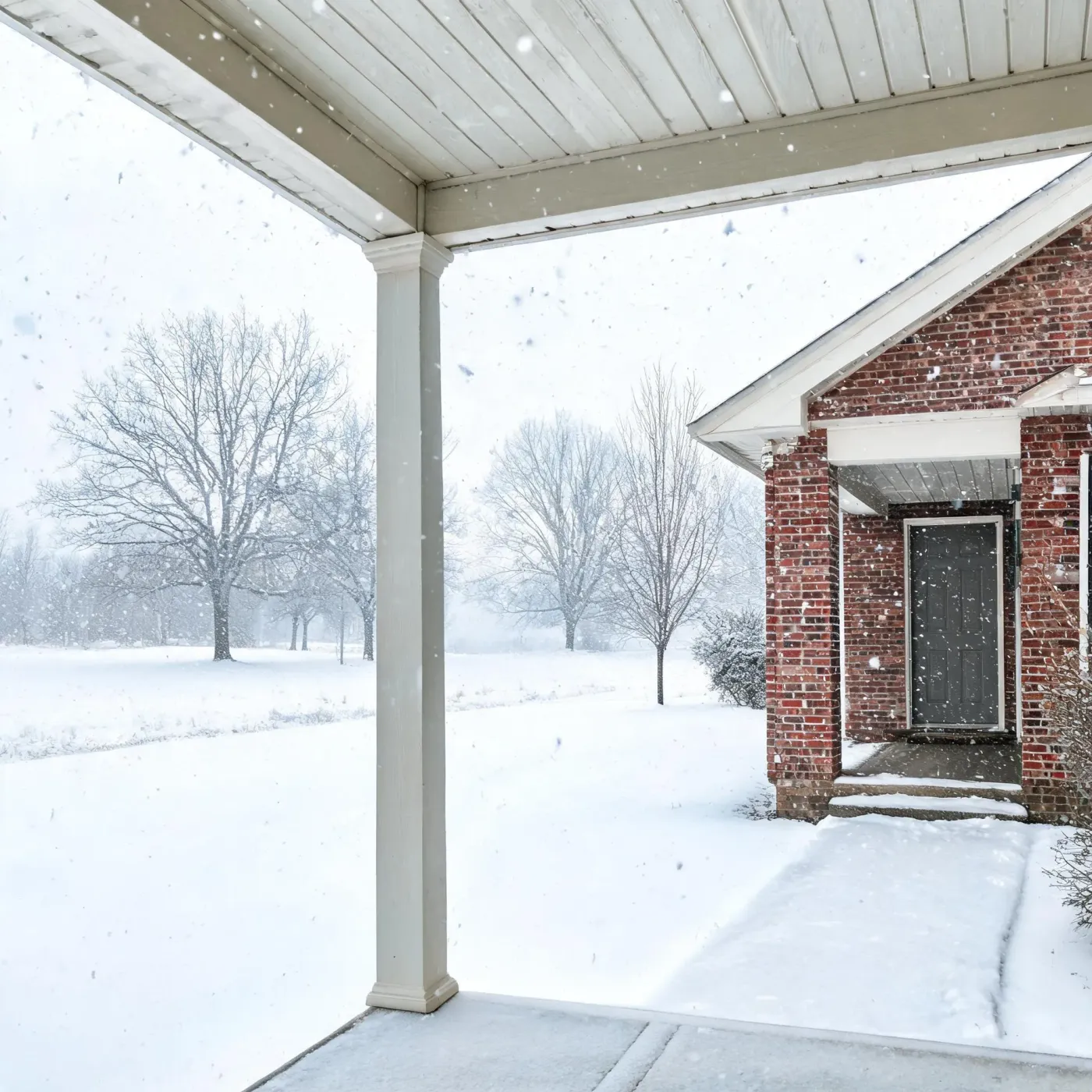
View from under a covered porch with a white column toward a red brick house with a dark door, with falling snow, snow-covered ground and bare trees in the background.

New Hampshire winter nights average 15°F statewide, per NOAA. At that temperature your furnace isn't cycling on and off for a few minutes at a time, it's running long stretches to keep the house up to temperature. A blower motor or igniter that's already failing has to hold that draw for the whole run, not just a quick burst, and that's when a worn breaker gives out. If your trips seem to cluster on the coldest nights, that's not bad luck. That's the one part already struggling getting asked to work harder than usual, for longer than usual, until something gives.

NOAA nClimDiv 1991-2020 county normals weighted by homes

What are you noticing right now in your own house

You're probably checking the breaker panel more than once a night at this point. Maybe you hear the burner catch, run for a bit, then everything goes quiet and the house starts to cool again before you've even gotten back downstairs. Some nights you smell something warm and a little electrical near the furnace when it trips, or you notice the blower sounds different right before it cuts out, louder or straining. If this keeps going, you're not just losing heat for a few minutes at a time. You're asking an aging breaker to absorb a surge it wasn't built to handle, over and over, on the coldest nights of the year, when the furnace is running longest and the part that's failing is working hardest.

A gray high-efficiency furnace in a basement with PVC venting pipes, a yellow gas line, metal ductwork, concrete walls and floor, and a wood-framed stairway at left.

Running the way it should

The burner lights, the blower pushes warm air through the plenum, and the cycle ends when the thermostat is satisfied, not when the breaker gives out. Nothing about that draws more power than the circuit expects.

A beige furnace with a louvered front panel and metal ductwork stands on a concrete basement floor beside pipes and a white cylindrical water heater.

Running into trouble

Older furnaces like this one, with louvered vents and sheet metal ductwork, have had more years for a bearing to wear down or a connection to loosen. That's more time for a part to start pulling current it shouldn't.

A breaker that keeps tripping is a part inside your furnace drawing more current than the circuit can hold, and resetting it over and over won't change that. The part has to be found and replaced. That's a diagnosis job, not a guess, and it's worth having someone who works on oil furnaces through a New Hampshire winter do it, since they've likely seen this exact trip on this exact kind of unit before. You'll get matched with one licensed local contractor, not a handful of companies calling you back at different times tonight. No explaining the breaker trip three separate times, no sorting through quotes while the basement sits cold. Just someone who knows what usually fails on these systems, coming to look at yours.

A dark standing-seam metal roof with a stone chimney and metal cap, seen against a backdrop of autumn-colored forest and layered hills under an overcast sky.

Explain it one time

Describe it once

You're not committing to anything by asking.

A furnace that trips the breaker on an oil-heat night in the teens isn't going to fix itself by morning. Sending the request now gets a local tech looking at the actual part instead of you resetting the panel again at midnight.